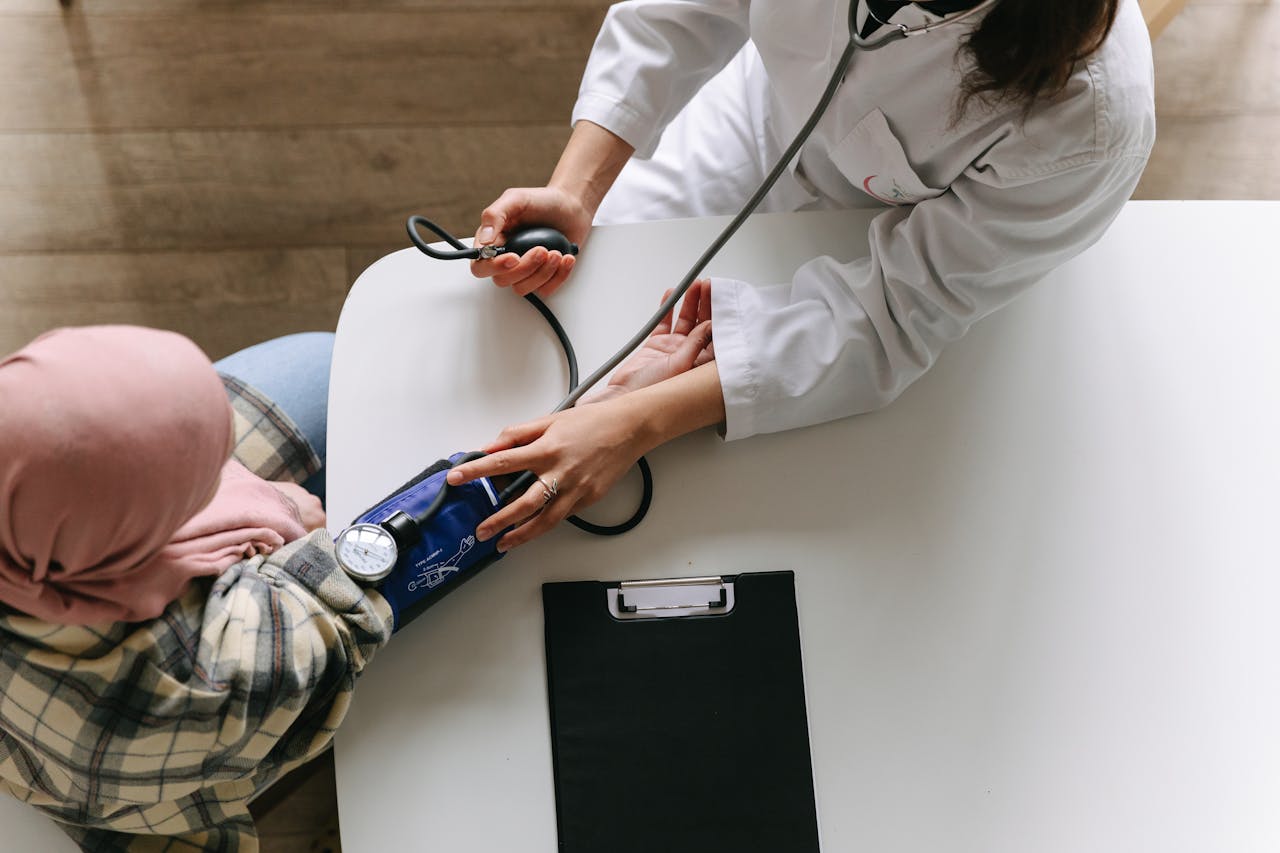
Palliative care specialists focus on enhancing the quality of life for patients facing serious or life-limiting illnesses. Rather than aiming to cure, the primary goal is to provide relief from symptoms such as pain, breathlessness, fatigue, nausea, and emotional distress.
This care extends beyond physical treatment; it includes psychosocial, emotional, and spiritual support for patients and their families. In Malaysia, this field is gaining significant attention.
With an ageing population and increasing prevalence of chronic diseases such as cancer, cardiovascular conditions, and end-stage renal failure, demand for palliative services is expected to rise.
Palliative care specialists are often part of multidisciplinary teams, working alongside oncologists, geriatricians, psychologists, nurses, and counsellors to ensure a patient-centred approach.
Your first step should be enrolling in a foundation in science programme. This one-year pre-university course is designed to prepare students academically for entry into medical school. It covers essential subjects such as:
Students are also introduced to scientific reasoning and research methodology. Successful completion of this course allows you to meet the entry requirements for a medical university in Malaysia, paving the way for an MBBS degree.
After completing your foundation studies, the next step is enrolling in a degree in medicine programme, such as the MBBS. This course typically spans five years and comprises two key components:
You’ll study subjects like anatomy, physiology, pharmacology, pathology, and microbiology in a classroom setting.
You’ll rotate through departments such as internal medicine, surgery, paediatrics, psychiatry, and emergency medicine.
Exposure to palliative care usually occurs during your clinical rotations, especially in oncology, geriatrics, or internal medicine departments. Institutions like RUMC offer students a curriculum designed with global standards and holistic training.
Upon graduating with an MBBS, you must complete a two-year compulsory internship (housemanship) at a government hospital under the Ministry of Health. This training involves six rotations in different specialities, including:
This stage is critical for applying theoretical knowledge in real-world settings. You’ll also develop vital soft skills, including teamwork, communication, and empathy; all necessary for palliative care.
After successful completion of housemanship, you’ll be eligible for full registration with the Malaysian Medical Council (MMC).
Once registered, you’ll serve as a medical officer for several years. During this time, gaining exposure to oncology, geriatrics, or internal medicine helps build a strong foundation for future specialisation in palliative care.
Although Malaysia does not yet offer a local Master’s programme solely dedicated to palliative medicine, alternative routes include:
Medical officers may also complete short-term fellowships in palliative care, which provide hands-on experience and mentorship.
After obtaining the necessary postgraduate qualifications, you can apply for subspecialty training. Although the pathway is not yet as structured as other disciplines, qualified doctors may be granted credentialing through:
Once credentialed, you may practice as a consultant palliative care specialist in hospitals, hospices, or home-based care settings.
Becoming a palliative care specialist is not limited to doctors. Other professionals can contribute meaningfully to the field:
These pathways often require specific certifications, experience in hospice settings, and continuing professional development (CPD).
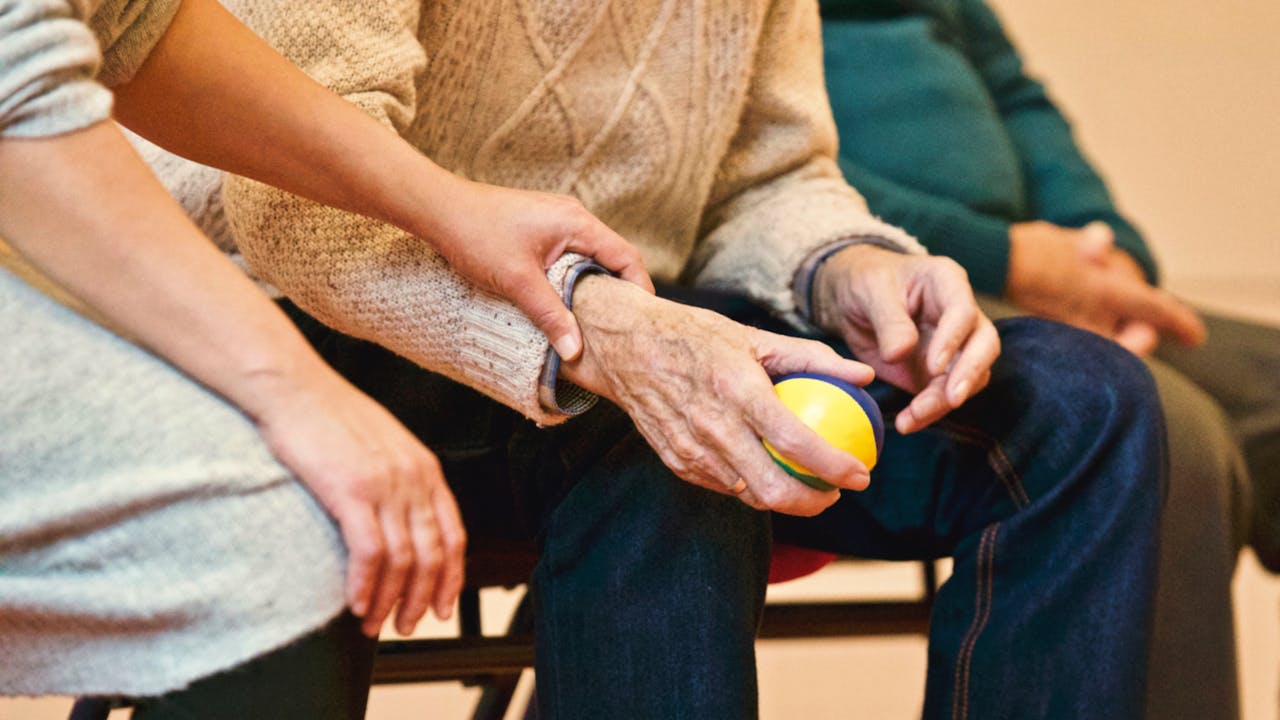
What distinguishes palliative care specialists from other doctors is their ability to engage in deeply human interactions. Core skills include:
Professionals in this field must be attuned to both clinical excellence and patient dignity.
Malaysia is gradually scaling its palliative care services nationwide. With support from the Ministry of Health and organisations like Hospis Malaysia, public awareness and policy development are improving. There is an increasing need for specialists to serve in:
Graduates from the best medical university in Malaysia are uniquely positioned to lead this transformation, especially those trained with early exposure to patient-centric care models.
Becoming a palliative care specialist is a calling as much as it is a career. It requires commitment, continuous learning, and an unyielding dedication to improving lives; even in their final stages. For students and healthcare professionals who find meaning in compassion and service, this path offers immense personal and professional fulfilment.
It generally takes 10 to 12 years, including foundation, MBBS, housemanship, and postgraduate training.
No, it supports patients with various serious conditions, including organ failure, neurological disorders, and advanced chronic illnesses.
Yes, nurses, pharmacists, psychologists, and therapists can specialise with the right training and experience.
Yes, with increased government focus and NGO involvement, the demand is steadily growing.