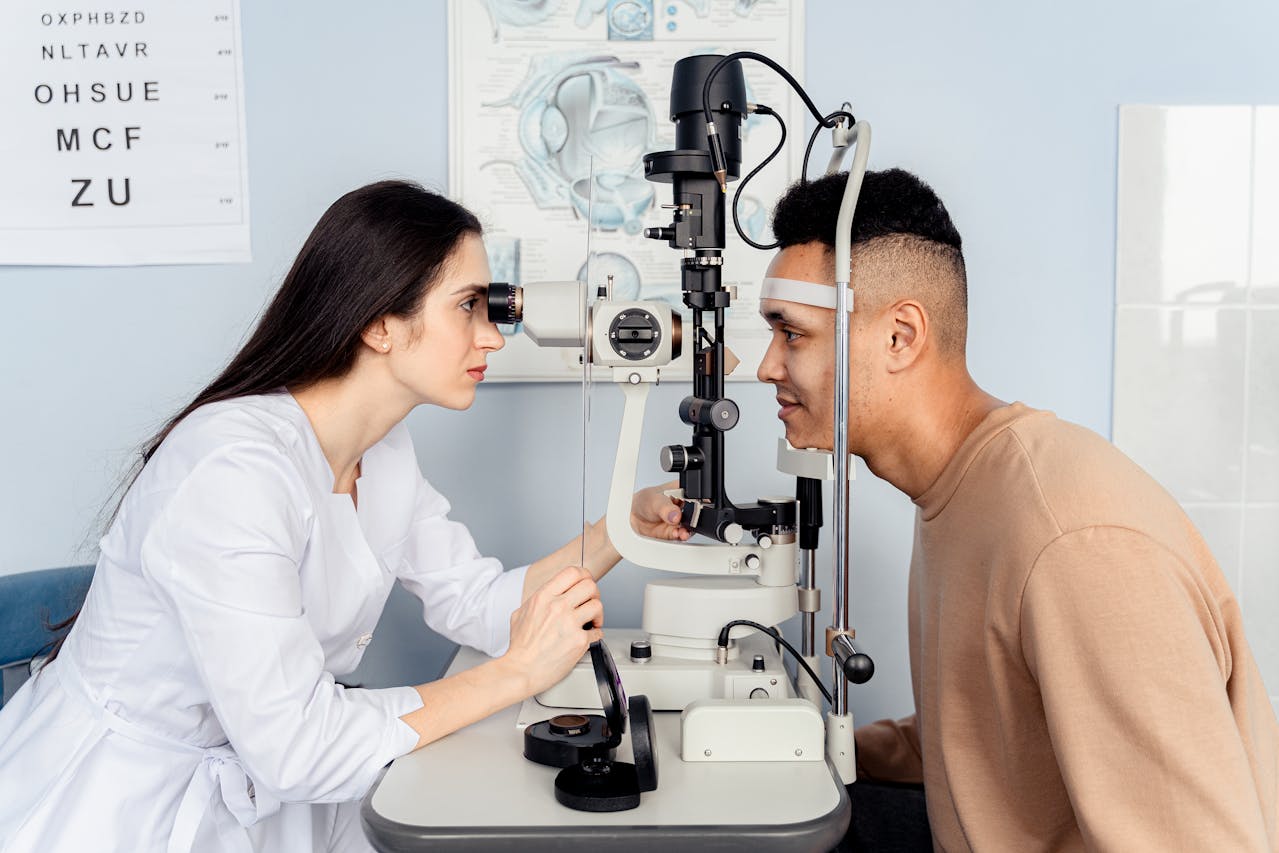
Ophthalmology is the branch of medicine dedicated to the study, diagnosis, and treatment of disorders related to the eyes and visual system. Unlike optometry or general eye care, ophthalmology is a medical speciality that allows practitioners to perform surgeries, treat complex diseases, and manage systemic conditions affecting vision.
In Malaysia, the demand for ophthalmologists is growing due to an ageing population and the rising prevalence of eye-related conditions like cataracts, diabetic retinopathy, and glaucoma. With Malaysia’s medical eye care sector set for robust growth, ophthalmologists play a key role in preventing avoidable blindness and ensuring quality of life through restored or preserved vision.
An ophthalmologist is a licensed medical doctor who specialises in eye and vision care. Their responsibilities include:
While general practitioners may provide basic eye screenings, ophthalmologists are trained to deliver in-depth diagnostic procedures and advanced treatments, often involving surgical solutions.
The field of ophthalmology is broad, and many professionals choose to focus on subspecialities such as:
These subspecialities require further training but allow ophthalmologists to offer targeted and expert-level care in their chosen field.
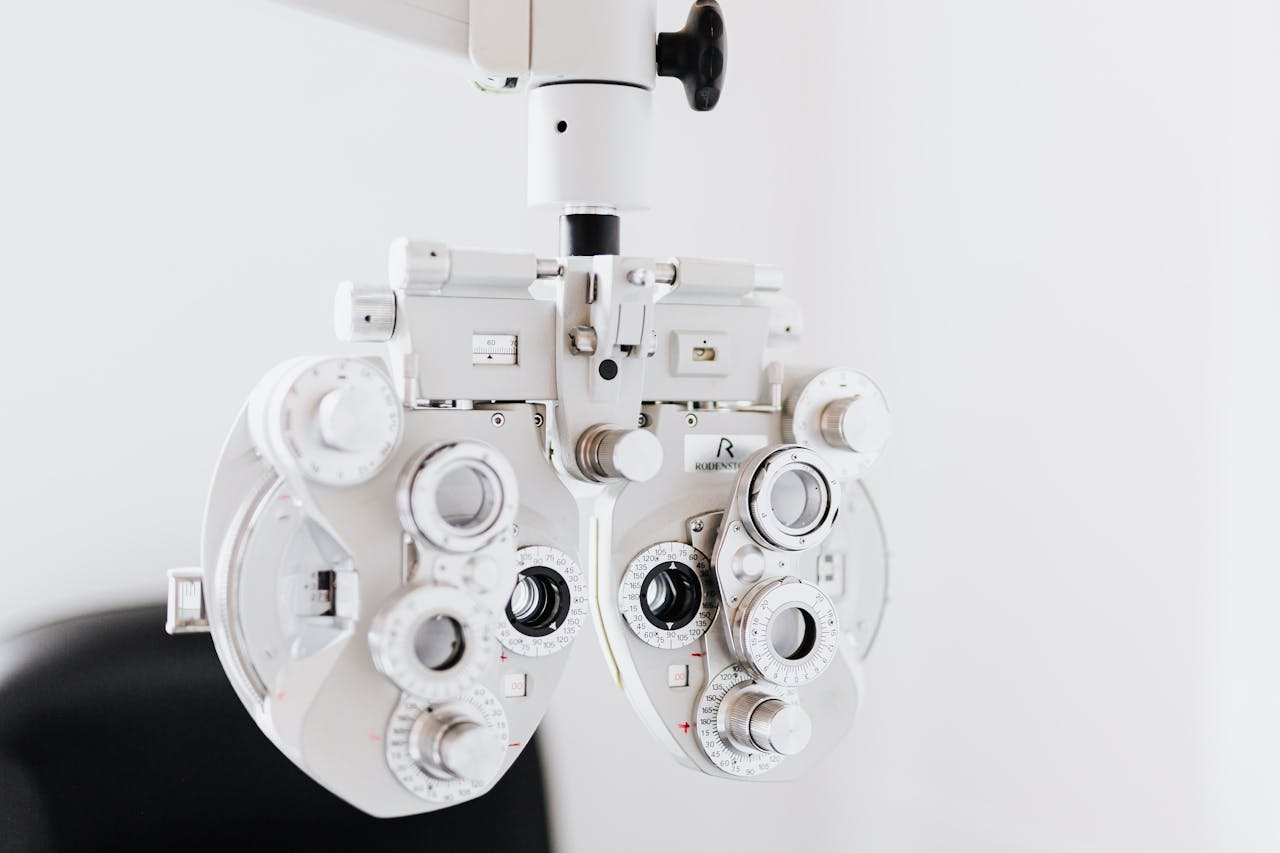
Becoming an ophthalmologist involves rigorous training. Aspiring students in Malaysia typically begin with a foundation in science, followed by a medical degree in Malaysia. This pathway provides both theoretical and clinical exposure, ensuring students understand human anatomy, diseases, and treatment protocols.
After completing their MBBS or equivalent, graduates enter housemanship where they rotate through key disciplines. Those interested in ophthalmology then pursue specialist training, which includes clinical practice, surgical skills development, and patient management under supervision.
While both professions support eye health, the distinction lies in scope. Optometrists provide primary eye care services, including vision tests and prescribing glasses. However, they do not perform surgery or treat complex diseases.
Ophthalmologists, on the other hand, are medical doctors who can diagnose, treat, and operate on patients. Their medical training equips them to handle eye conditions that require pharmaceutical, procedural, or surgical interventions.
Ophthalmology is at the forefront of medical innovation. Technologies like optical coherence tomography (OCT), robotic surgery, and AI-assisted diagnostics are transforming how eye diseases are detected and managed.
These advancements mean earlier detection of retinal diseases, precision in corneal surgery, and improved outcomes for patients. As technology continues to evolve, so too will the scope of ophthalmic care in Malaysia.
The journey to becoming an ophthalmologist often begins at a medical school in Malaysia. Institutions like RUMC offer comprehensive training from foundation to medical degree levels. Their focus on international medical education ensures graduates are well-prepared for global standards.
Those looking to specialise will eventually apply for Master’s or parallel pathway training programmes in ophthalmology after their housemanship. These programmes combine theoretical modules with hands-on clinical experience, laying the groundwork for a successful career.
Ophthalmology is more than just vision correction—it’s a cornerstone of public health and individual well-being. As Malaysia strives to reduce the burden of vision impairment, the role of ophthalmologists becomes increasingly essential. From treating routine eye conditions to performing life-changing surgeries, these specialists help people lead fuller, healthier lives.
At RUMC, we offer an Irish medical degree that is internationally recognised, allowing graduates to practice globally. Explore our programmes & scholarships to learn more.
Ophthalmology focuses on the diagnosis, treatment, and surgical management of eye diseases and visual disorders.
Yes, ophthalmologists are trained medical doctors who can perform various eye surgeries, including cataract and LASIK procedures.
Optometrists provide basic eye care and vision correction, while ophthalmologists manage medical and surgical eye conditions.
You can begin your journey at a medical university in Malaysia, starting with a foundation in science and advancing to specialised medical training.