
7 Careers in Orthopaedics: Helping People Move Forward

Orthopaedics is one of the most diverse and hands-on fields in medicine. It focuses on restoring function and mobility through the diagnosis, treatment, and rehabilitation of musculoskeletal conditions. For aspiring doctors who enjoy problem-solving, surgical precision, and working with patients of all ages, a career in orthopaedics offers endless variety and purpose.
In Malaysia, orthopaedic specialists are in high demand due to the increasing burden of trauma cases, ageing-related joint disorders, and sports-related injuries. With modern surgical techniques and a growing emphasis on physical well-being, orthopaedics offers exciting opportunities across clinical, academic, and community settings.
What Does an Orthopaedic Doctor Do?
Orthopaedic doctors—also known as orthopaedic surgeons—treat conditions related to bones, joints, muscles, tendons, and ligaments. Their responsibilities may vary depending on subspeciality and workplace, but commonly include:
- Diagnosing musculoskeletal injuries and disorders
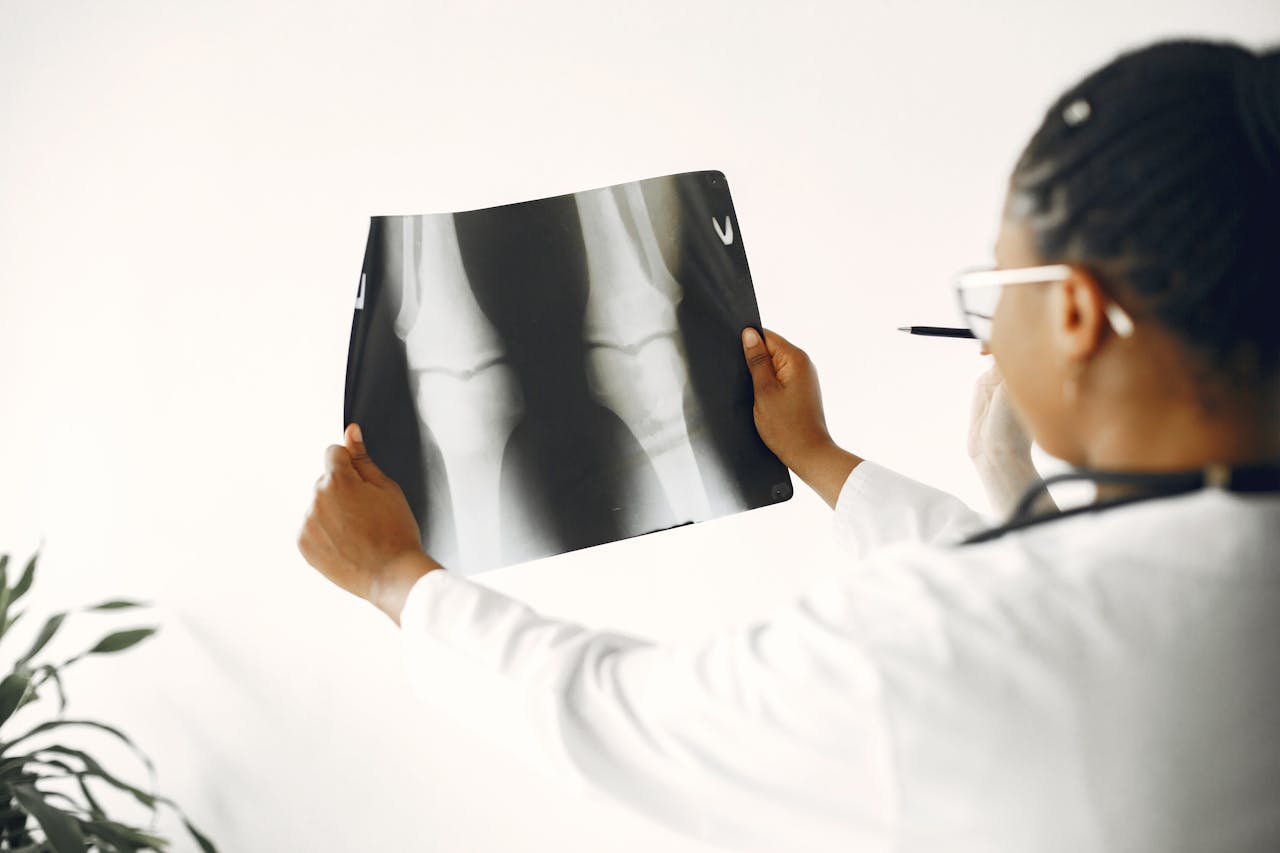
- Ordering and interpreting imaging (X-rays, MRIs, CT scans)
- Developing treatment plans involving surgery, therapy, or medication
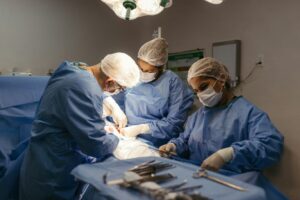
- Performing surgeries such as fracture repairs, arthroscopies, and joint replacements
- Overseeing rehabilitation and long-term recovery plans
Orthopaedic specialists work closely with physiotherapists, radiologists, anaesthesiologists, and sometimes, sports teams or public health units.
Common Career Paths in Orthopaedics
Orthopaedics offers multiple career tracks that cater to different interests, skill sets, and environments. Here are some popular options:
1. General Orthopaedic Surgeon
These doctors manage a broad spectrum of bone and joint conditions in hospitals or private clinics. They perform common procedures like fracture fixation and arthroscopic joint surgery.
2. Trauma and Emergency Orthopaedist
These specialists are on the frontlines of care in emergency departments, treating high-impact injuries from accidents or falls. Trauma orthopaedics requires quick decision-making and advanced surgical skills.
3. Sports Medicine Orthopaedist
Focusing on athletic injuries such as ACL tears and rotator cuff damage, these doctors often work with athletes, teams, or rehabilitation centres. They blend surgical techniques with performance-focused recovery plans.
4. Joint Reconstruction Specialist
These orthopaedists focus on knee, hip, and shoulder replacements, often for patients with osteoarthritis or rheumatoid arthritis. Precision and long-term patient management are key aspects of this role.
5. Spine Surgeon
Spine specialists handle complex issues such as scoliosis, herniated discs, and spinal fractures. This subspeciality often requires additional fellowship training.
6. Paediatric Orthopaedist
These doctors treat children with musculoskeletal conditions such as congenital limb deformities or growth plate injuries. The role requires both surgical expertise and an understanding of paediatric care.
7. Academic or Research Orthopaedist
Doctors with an interest in teaching or innovation may choose careers in academia, working at a medical school while conducting research on orthopaedic implants, tissue engineering, or rehabilitation techniques.
Where Do Orthopaedic Surgeons Work?
Orthopaedic surgeons in Malaysia and abroad find employment in a variety of settings:
- Public and private hospitals
- Specialist orthopaedic clinics
- Sports rehabilitation centres
- Military and defence medical units
- Academic institutions
- NGOs and medical missions
- Biomedical device companies
With the global rise in musculoskeletal injuries and disorders, orthopaedics remains one of the most in-demand medical fields.
Skills and Traits Needed for Orthopaedics
Success in orthopaedics requires a balance of physical skill and interpersonal ability. Key traits include:
- Manual dexterity – for precision during surgeries
- Problem-solving – especially in trauma or complex cases
- Stamina – orthopaedic surgery can be physically demanding
- Teamwork – collaboration with nurses, therapists, and radiologists
- Empathy and communication – to guide patients through recovery
- Technical interest – orthopaedics frequently uses new surgical tools and implants
These competencies are developed during medical training and enhanced through hands-on surgical experience.
The Education Path to an Orthopaedics Career
To become an orthopaedic specialist, the journey begins with a foundation in science. This one-year pre-university programme builds competence in biology, chemistry, and physics—essential for understanding anatomy and musculoskeletal systems.
Afterwards, students pursue a medical degree in Malaysia, which spans five years of theoretical and clinical training. During clinical rotations, students are exposed to orthopaedics in real hospital settings, often assisting with surgeries and patient care.
Upon graduation, future orthopaedists undergo housemanship (internship) before applying to Master’s or parallel pathway programmes in orthopaedic surgery. Specialist training includes:
- In-depth anatomy and biomechanics
- Trauma surgery and fracture fixation
- Arthroscopy and joint reconstruction
- Post-operative rehabilitation
- Subspeciality electives (e.g., spine, hand surgery)
Career Outlook and Growth
Orthopaedics offers strong career progression, especially in Malaysia, where trauma cases and age-related joint conditions are common. After completing specialist training, doctors may advance to:
- Consultant orthopaedic surgeon roles
- Department leadership in public hospitals
- Private practice or surgical centres
- Academic teaching positions
- Medical advisory roles in sports or industry
Demand is also rising in areas like orthopaedic oncology, robotic-assisted surgery, and geriatric orthopaedics—creating room for continuous advancement.
Final Thoughts
A career in orthopaedics is ideal for those who enjoy physical medicine, solving mechanical problems, and making a visible difference in patients’ lives. Whether it’s helping an athlete return to play or an elderly patient walk again, orthopaedic professionals are instrumental in restoring movement and independence.
Start your journey with a foundation in science and pursue a medical degree to lay the groundwork for a future in one of the most rewarding and practical fields of medicine.
FAQs about careers in orthopaedics
1. What qualifications do I need to become an orthopaedic surgeon?
You need to complete a medical degree, internship, and specialist training in orthopaedic surgery.
2. Can I specialise in orthopaedics right after medical school?
No. You must complete your housemanship before applying to a Master’s or parallel pathway in orthopaedic surgery.
3. Is orthopaedics a surgical speciality?
Yes. Orthopaedic specialists perform surgeries to treat fractures, joint issues, and spinal conditions.
4. What is the job outlook for orthopaedic doctors in Malaysia?
Strong. With rising trauma cases, ageing populations, and sports injuries, orthopaedic surgeons are in high demand in both public and private sectors.