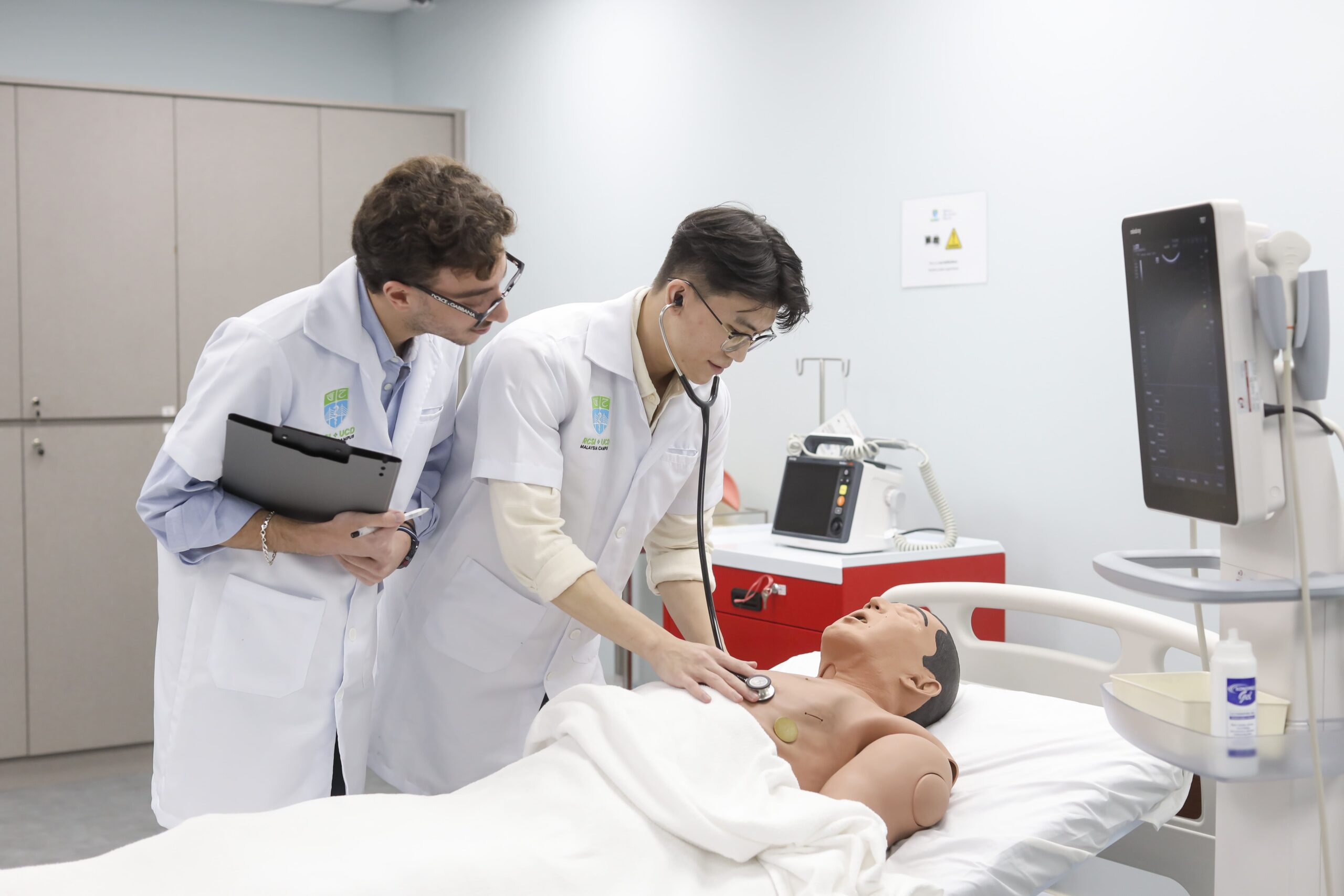
Pharmacology is one of the most exciting areas within biomedical science, combining research, innovation, and healthcare. As medical technologies advance, the need for skilled pharmacologists continues to grow.
These professionals help discover new drugs, ensure medication safety, and bridge the gap between laboratory science and patient care. This career is ideal for those passionate about science but seeking an alternative to purely clinical work.
In Malaysia, the growing fields of pharmaceuticals, biotechnology, and medical research are driving strong demand for pharmacology graduates. A Foundation in Science offers the ideal first step, equipping students with the knowledge and lab skills to understand how drugs interact with the human body.
Pharmacologists study how drugs affect biological systems to ensure that medicines are safe, effective, and reliable. Their work plays a vital role in every stage of the drug development process, from initial research to clinical use. Typical responsibilities include:
Pharmacologists are the scientific backbone of modern medicine, helping to turn biomedical discoveries into treatments that save lives.
A career in pharmacology opens doors to diverse and rewarding roles across science, healthcare, and industry. Whether you’re interested in research, clinical trials, regulation, or the business side of pharmaceuticals, there’s a path to match your skills and ambitions.
Focuses on drug discovery and development in research institutions or pharmaceutical companies. You will design experiments, test new compounds, and study how they affect cells and tissues.
Works closely with doctors to test medicines in human trials and monitor their effects. Many who pursue this path have an MBBS degree or medical background, as it bridges pharmacology with patient care.
Ensures drugs meet government and international safety standards. This role involves preparing reports, conducting risk assessments, and working with health authorities.
Those who enjoy teaching and investigation can work in universities or research institutes. Graduates with a degree in biomedical science often pursue postgraduate qualifications to become lecturers or principal investigators.
Pharmacology knowledge is also valuable in marketing, medical communications, and technical advisory roles within the pharmaceutical industry.
Pharmacology offers diverse career opportunities across scientific, clinical, and corporate settings. Whether in laboratories, hospitals, or healthcare organisations, pharmacologists play a key role in advancing medical innovation and improving patient outcomes. They are needed across sectors including:
Graduates from a top medical university in Malaysia can find opportunities both locally and abroad, as pharmacology careers are globally recognised.
To start your journey in pharmacology, a strong educational foundation in science is essential. Some of the common pathways include:
Graduates with a medical degree in Malaysia or a biomedical background are well-positioned for leadership and research roles in drug development, public health, and medical innovation.
Salaries vary by role, qualification, and experience. Entry-level research assistants typically earn RM3,000–RM5,000 per month, while senior pharmacologists and industry specialists can earn RM8,000–RM15,000, especially in private or international firms.
Pharmacology is a rapidly evolving field. As Malaysia strengthens its pharmaceutical and healthcare sectors, job opportunities continue to expand. Growth in medical research, biotechnology, and clinical trials is creating a high demand for skilled pharmacologists.
Malaysia’s pharmaceutical industry is also emerging as a driver of high-value investment and skilled employment. Globally, the focus on drug safety, personalised medicine, and genetic research offers even greater potential, with the personalised medicine market projected to nearly double in value by 2033.
Professionals with an advanced biomedical degree or an MBBS have excellent prospects for career advancement and international mobility. Graduates from reputable medical universities are well prepared, gaining valuable exposure to both scientific research and clinical training.
Pharmacology is the science of improving lives through innovation and research. Combining biology, chemistry, and medicine, it drives the creation of safer, more effective treatments and offers diverse career paths in healthcare and science.
Building a career in pharmacology begins with a strong academic foundation and a passion for science. With the right education, you can gain the skills and experience needed to explore the many areas of pharmacological research and development.
As one of Malaysia’s top medical universities, RUMC offers globally recognised programmes, expert faculty, and practical training to prepare students for successful careers in pharmacology and beyond. Apply now with RUMC to start your journey toward a future in science and medicine.
Pharmacology focuses on researching how drugs work and affect the body, while pharmacy involves dispensing and managing medications for patients.
No. A degree in biomedical science or pharmacology is sufficient for most research and industry roles. However, medical graduates can pursue pharmacology to specialise in clinical drug use.
Yes. A Foundation in Science Malaysia programme is the best starting point for students interested in biomedical or medical pathways.
Yes. Pharmacology offers stable employment, career progression, and opportunities in multiple sectors, including pharmaceuticals, research, and healthcare.