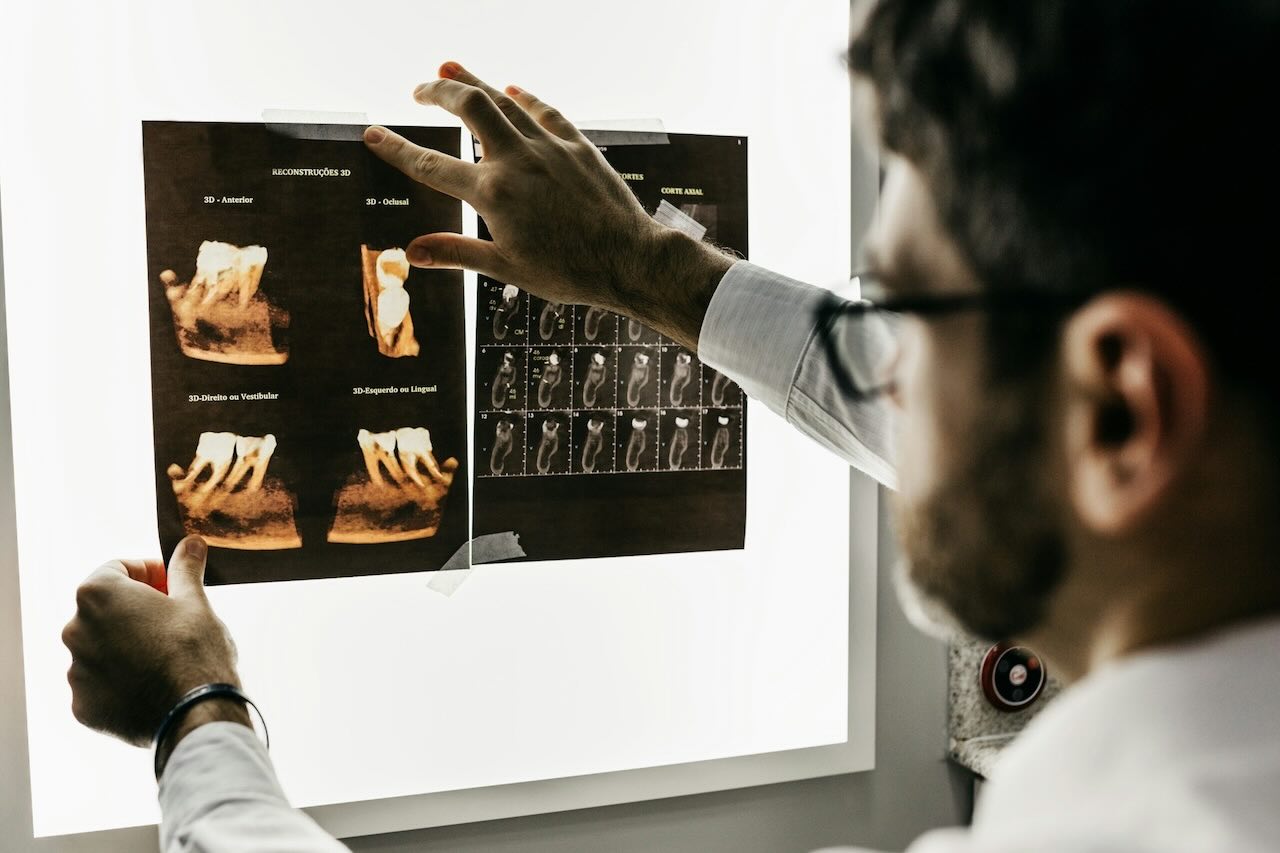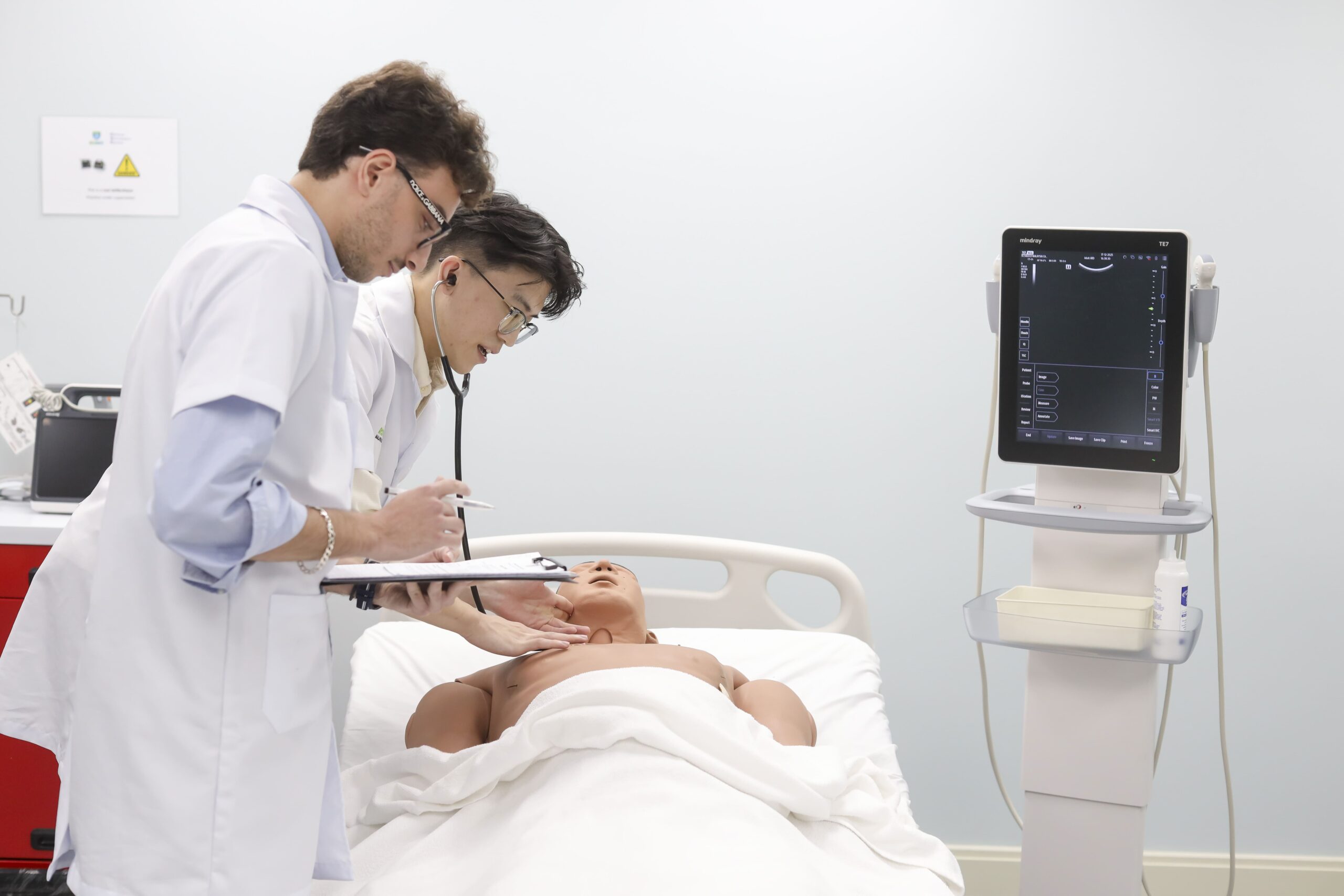
If you have ever wondered how the human body works or how scientific knowledge can improve lives, a career in physiology may be the right path for you. Physiologists play an essential role in understanding how the body functions, helping to develop treatments, enhance performance, and advance healthcare.
Whether you are drawn to clinical practice, research, or sports science, physiology offers a wide range of meaningful and rewarding opportunities.
In this article, we explore the many careers in physiology, what they involve, potential salaries, and how you can begin your journey in Malaysia.
Physiology is the scientific study of how living organisms function. It focuses on essential life processes such as respiration, circulation, and growth, helping us understand how the body maintains balance and responds to changes. This knowledge plays a vital role in medical advancements, disease prevention, and health optimisation.
With its strong foundations in biology, chemistry, and medicine, physiology is a versatile and impactful field. For students who want to combine science with practical application, pursuing a career in physiology offers both intellectual fulfilment and the chance to make a real difference.
The scope of physiology is broad, offering multiple career paths based on your interests and qualifications. Many professionals choose to specialise in human physiology, while others explore fields like animal or plant physiology.
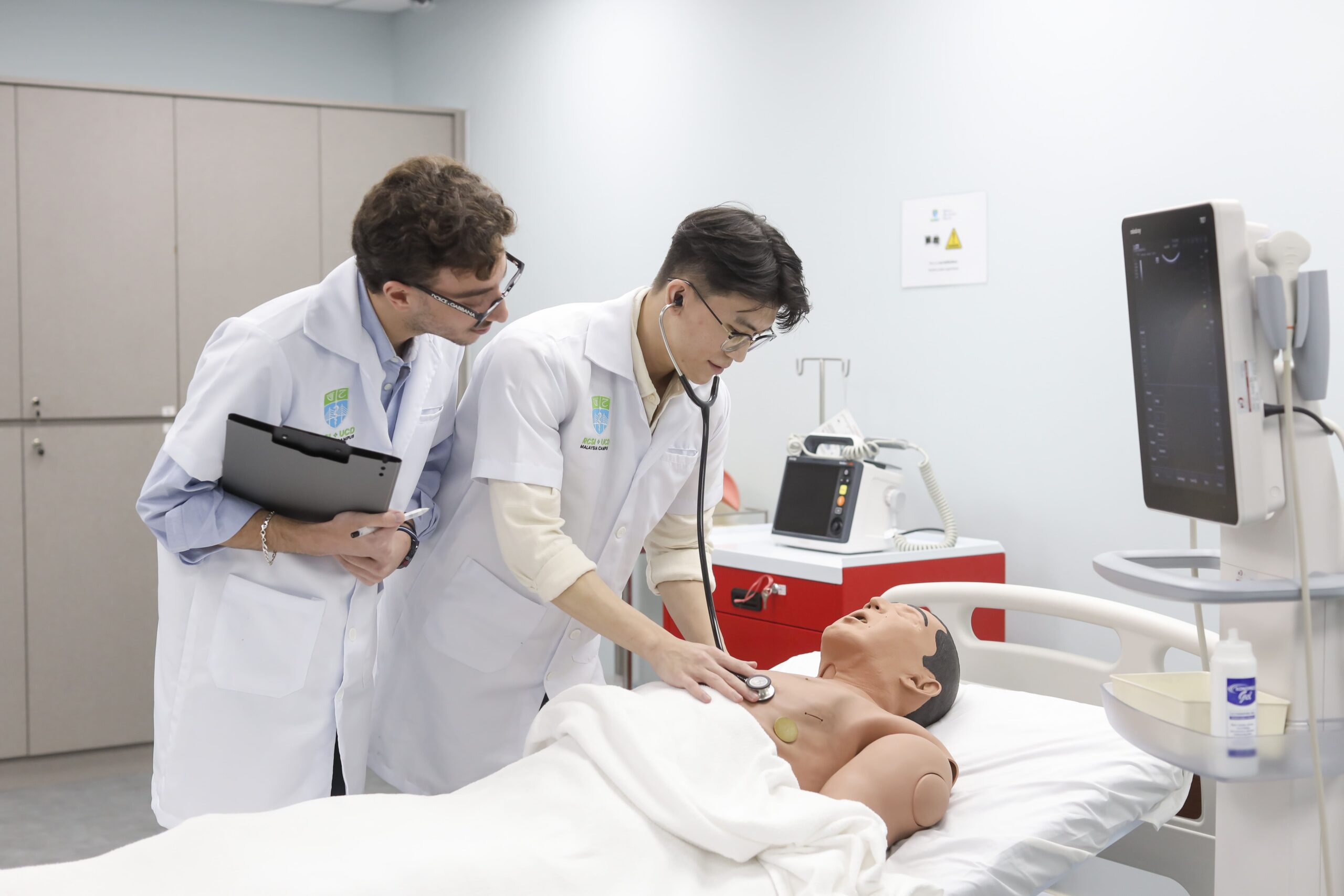
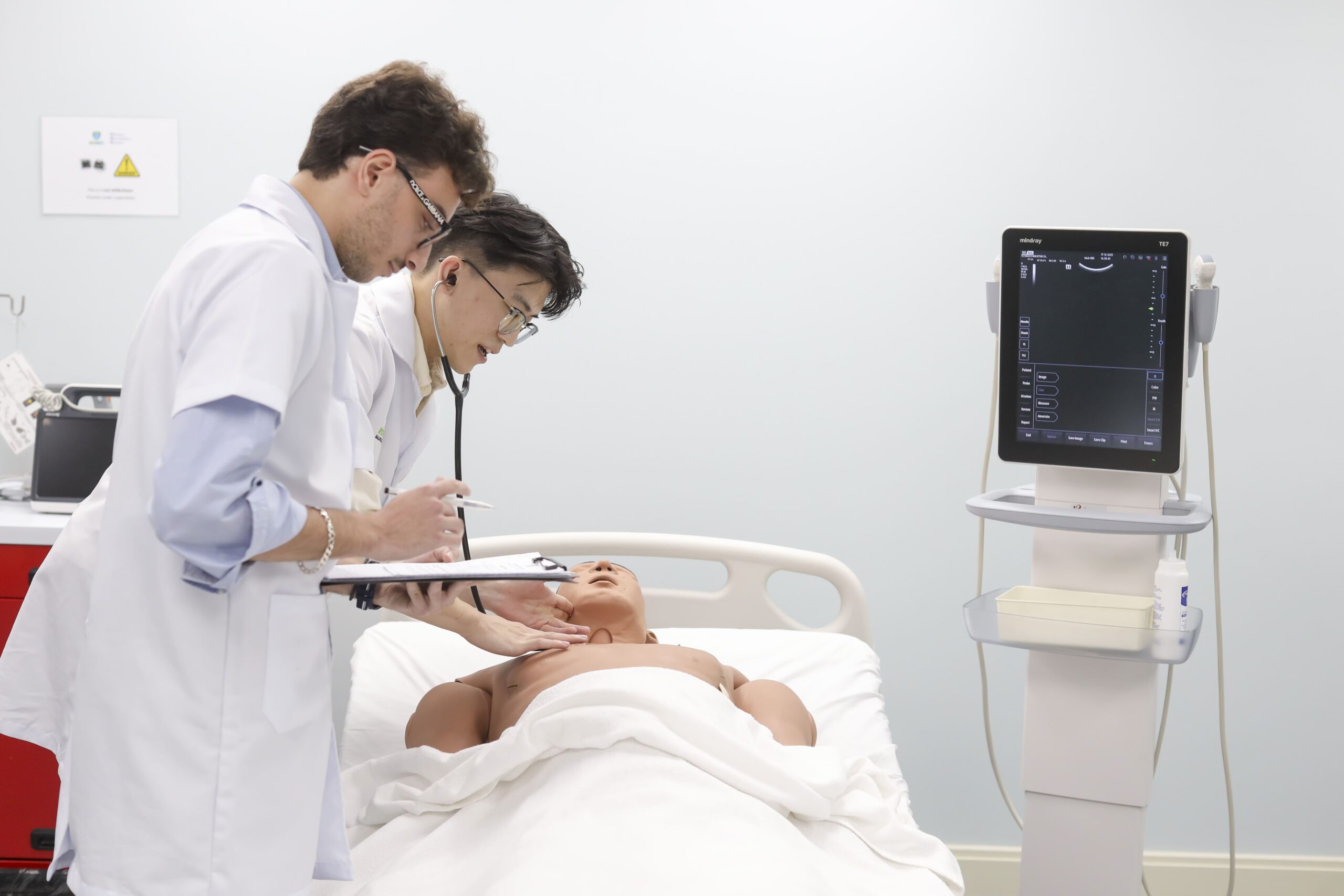
Medical physiologists typically work in hospitals, diagnostic laboratories, or clinical research settings. They investigate how the human body functions in both healthy and diseased states. These professionals often work alongside doctors to monitor patients, perform diagnostic tests, and support treatment planning. Specialised roles include cardiology, audiology, neurology, and respiratory physiology.
According to HealthDirect, exercise physiologists use scientific knowledge of human movement to support rehabilitation, chronic disease management, and performance enhancement. They design personalised fitness and recovery programmes for individuals with conditions such as cardiovascular disease, diabetes, or musculoskeletal injuries. This role is essential in hospitals, rehabilitation centres, and sports performance clinics.
Neurophysiologists specialise in the nervous system, including the brain, spinal cord, and peripheral nerves. Their work focuses on understanding how electrical and chemical signals in the body affect movement, cognition, and behaviour. They often conduct EEGs or nerve conduction studies and may assist in diagnosing conditions like epilepsy, multiple sclerosis, or neuropathies.
A cardiovascular physiologist studies the structure and function of the heart and blood vessels. This role involves researching how the cardiovascular system responds to stress, disease, and medical interventions. These professionals are often found in cardiac care units, diagnostic centres, and academic research environments.
Plant physiologists study how plants function and respond to their environment. They explore processes such as photosynthesis, nutrient uptake, and water regulation. Their research helps improve crop productivity, pest resistance, and sustainable farming practices. Many work in agricultural research institutes, environmental consultancies, or biotechnology companies.
Animal physiologists investigate how animals function, grow, and adapt to different environments. Their work can include studying metabolism, reproduction, and organ function in both wild and domestic species. They often work in wildlife conservation, veterinary research, or zoological institutions.
The daily duties of a physiologist vary depending on their role and specialisation. Some focus on research, conducting experiments and analysing data to better understand how body systems work or respond to treatment. Others work directly with patients in clinical or rehabilitation settings, assessing physical function and supporting recovery.
Teaching is also a common path, particularly for those working in academic environments. Additionally, many physiologists find employment in pharmaceutical companies, biotechnology firms, and government agencies, where they contribute to policy development, clinical trials, and innovation in healthcare.
To become a physiologist, you typically need a bachelor’s degree in physiology, biology, or a closely related science, such as the undergraduate medicine programme by RUMC. This undergraduate programme introduces foundational subjects such as human anatomy, biochemistry, and lab-based research methods.
Many students choose to pursue a master’s degree for specialisation or a PhD if they aim to conduct independent research or teach at the university level. Postgraduate study allows you to develop expertise in niche areas such as molecular physiology, integrative biology, or pharmacological research.
Hands-on experience is crucial for career readiness. Internships, lab placements, and research projects help students apply their knowledge in real-world settings and build valuable professional skills.
The salary for a physiologist in Malaysia depends on experience, qualifications, and area of specialisation. Based on industry data, entry-level physiologists with one to three years of experience can expect to earn around RM79,000 per year. With more than eight years of experience, salaries often exceed RM137,000 annually.
Advanced degrees and clinical expertise can significantly boost earning potential, especially in specialised roles or leadership positions. Overall, the job market for physiologists remains strong due to growing demand in healthcare, research, and education sectors.
If you’re passionate about human biology, health, and scientific discovery, a career in physiology offers a powerful way to make a difference.
At RCSI & UCD Malaysia Campus (RUMC), we offer internationally recognised medical and science programmes that combine academic excellence with hands-on clinical training. With experienced faculty, strong research foundations, and global partnerships, RUMC prepares students for successful careers in healthcare, education, and biomedical science.
Explore our programmes today and take the first step toward a rewarding future in physiology.
A physiology degree in Malaysia opens doors to careers in healthcare, research, and education. You can work as a physiologist, clinical researcher, lab technician, exercise physiologist, or even enter the pharmaceutical or biotech industries.
Entry-level physiologists earn around RM79,000 per year, while experienced professionals can make over RM137,000 annually, especially in specialised or leadership roles.
No, you don’t need a medical degree. Most careers in physiology require a bachelor’s degree in physiology, biology, or a related field. However, some clinical or specialised roles may require further postgraduate training or certification.
A physiologist studies how the body functions, often in research or diagnostics, while a physiotherapist focuses on treating movement disorders through physical therapy. The former is more research/analysis-based, and the latter is clinical and patient-facing.