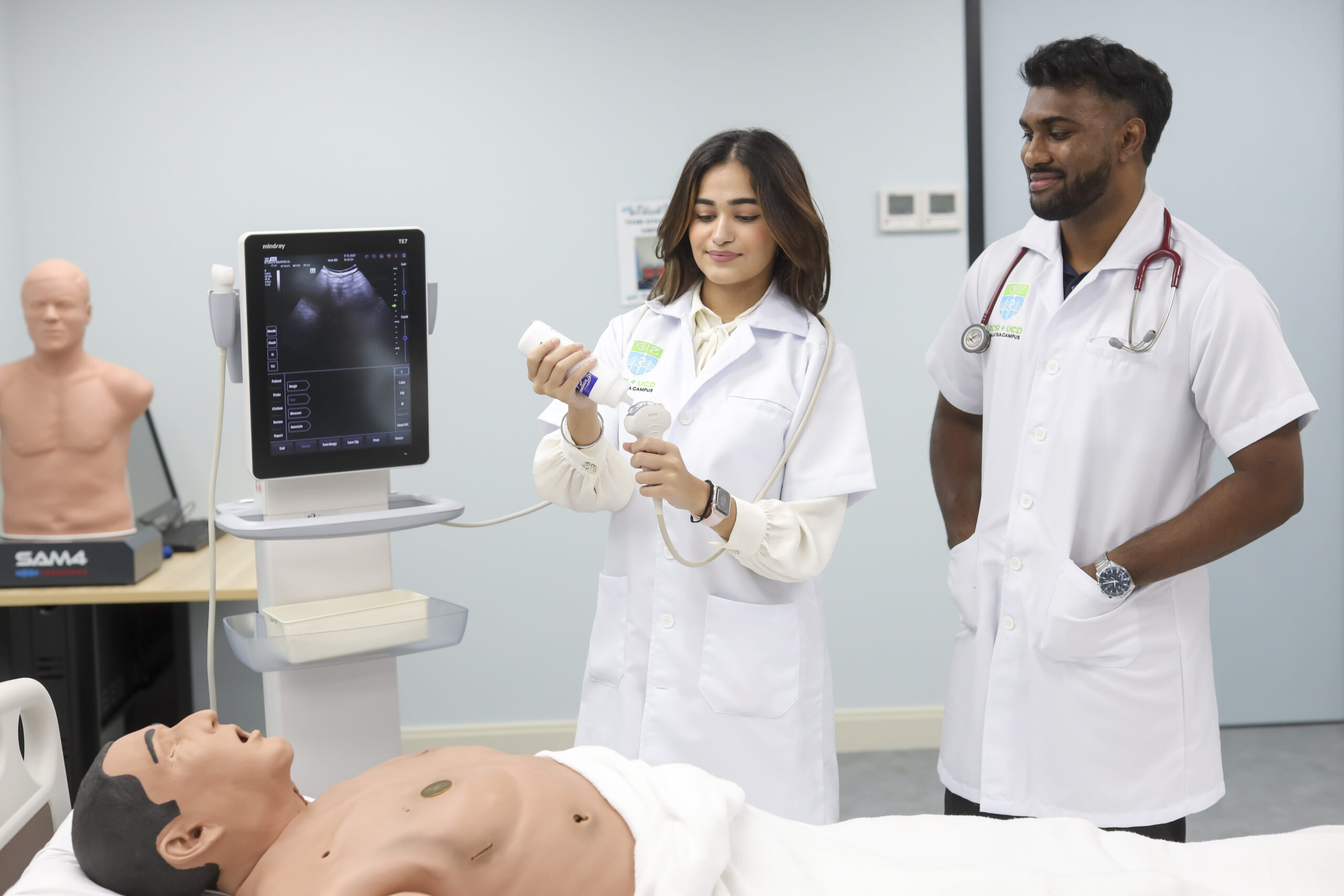
Behind every successful hospital is a team of capable administrators who ensure that operations run smoothly. Hospital administrators are responsible for managing finances, staff, resources, and regulatory compliance in healthcare facilities.
While they don’t provide direct patient care, their leadership directly impacts patient experiences and outcomes. If you’re interested in healthcare but prefer a managerial role over a clinical one, hospital administration could be the perfect career path. Here’s how to get started in Malaysia.
To become a hospital administrator, the journey begins after SPM or equivalent. Start with a foundation in science, especially if you plan to enter the healthcare industry. This programme builds fundamental knowledge in biology, chemistry, and other subjects essential for healthcare-related degrees.
Other alternatives may include A-Levels, STPM, or a matriculation programme, but a science foundation remains the most relevant if you’re looking to understand the inner workings of medical institutions.
After completing your foundation studies, the next step is to pursue a degree that aligns with healthcare operations and administration. The most relevant degrees include:
A degree in biomedical science provides a strong grounding in healthcare principles, scientific analysis, and research methodology. It also prepares graduates to understand clinical settings, which is beneficial when overseeing hospital departments.
Some universities offer degrees specifically in healthcare management, which focus on operations, human resources, medical ethics, and business administration.
A business degree with healthcare electives or a major in public administration can also serve as a solid foundation. Pairing this with hospital internships or healthcare-focused projects is key.
While a medical degree in Malaysia isn’t required, some hospital administrators do begin as medical doctors and transition into administrative roles.
Hands-on experience is essential. Here’s how to get it:
Understanding how healthcare systems function from an operational level is crucial. This experience will also help you decide whether you want to work in a clinical, academic, or private healthcare setting.
In Malaysia, opportunities for early exposure to hospital environments are increasing as the Health Ministry expands permanent placements for healthcare workers, reflecting growing demand for trained professionals in both clinical and administrative roles.
To stand out in a competitive industry and qualify for senior roles, you should consider postgraduate studies. Common Options include:
These programmes explore advanced topics such as:
You can pursue these part-time or online while working full-time in the field.
To lead a hospital effectively, you need more than academic knowledge. Core skills include:
You’ll also need to be familiar with electronic health records (EHR) systems and hospital administration software.
Once you’ve acquired the right qualifications and experience, you can begin applying for roles such as:
Look for openings in:
Start small if needed—junior roles in operations or administration often serve as stepping stones to more senior positions.
Healthcare systems are constantly evolving, making ongoing learning essential. Stay updated by attending industry conferences, joining healthcare administration associations, and enrolling in short courses on health policy, medical technology, or strategic leadership.
Additionally, networking with hospital directors and health executives can provide valuable insights and opportunities. This commitment to continuous learning will keep you competitive and effective in your role.
Successful hospital management professionals share a strong set of interpersonal, analytical, and technical skills that allow them to lead effectively in complex and high-pressure environments. Key competencies include:
Mastering these core skills equips professionals to not only manage hospital operations effectively but also to contribute meaningfully to the overall quality, safety, and sustainability of healthcare services.
Becoming a hospital administrator in Malaysia is a rewarding journey that blends leadership, healthcare knowledge, and operational skills. It’s a fulfilling role that directly impacts patient care by ensuring that medical professionals have the support they need to deliver excellent outcomes.
If you’re passionate about healthcare and prefer leadership over clinical practice, begin with a strong foundation in science in Malaysia and pursue a path that combines academic learning with real-world healthcare experience.
No. Many administrators hold degrees in biomedical science, healthcare management, or business.
Start with a foundation in science, pursue a healthcare-related bachelor’s degree, gain experience in hospitals, and optionally complete a postgraduate programme.
Yes, many doctors or nurses shift into administration after gaining operational or leadership experience, often supported by an MBA or healthcare management course.
Yes. With growing healthcare demand, there’s an increasing need for capable leaders to manage hospitals and medical institutions.