Are you fascinated by how the human body works, from the rhythm of your heartbeat to the communication between cells? If so, a career in physiology might be the perfect fit. Learning how to become a physiologist opens the door to a rewarding profession that combines science, healthcare, and discovery.
Whether you’re aiming to conduct research, support clinical teams, or educate future scientists, this field offers meaningful opportunities.
In this guide, we’ll explore the education pathway, key specialisations, job prospects, and essential skills you’ll need to begin your journey—right here in Malaysia.
Becoming a physiologist starts with strong science subjects in secondary school—biology, chemistry, and maths. A bachelor’s degree in physiology or a related field is essential, followed by a master’s or PhD for research or academic roles. Statistical knowledge is vital for data-driven research careers.
Physiologists typically complete a 3–4 year bachelor’s degree in physiology or related sciences like biology or biomedical science. This qualifies graduates for entry-level lab or research roles. Strong mathematical skills are essential, particularly for those pursuing research-intensive careers in physiology.
Advanced physiologist roles often require postgraduate education. A master’s degree (1–2 years) supports specialisation in clinical or exercise physiology. A PhD (3–5 years) is essential for academic or research leadership. Clinical practice may also require specific licensure, depending on the country and role.
To succeed as a physiologist, you need strong critical thinking, clear communication, ethical scientific conduct, and solid lab skills. Recent studies showed that these core competencies support both independent research and collaborative work, making them essential for clinical, academic, and scientific roles within the field.
Physiologists must evaluate scientific evidence, form hypotheses, and draw logical conclusions. Strong analytical and quantitative reasoning skills are essential for interpreting physiological data using statistics and software. Critical thinking enables them to solve complex problems and approach research with scientific integrity.
Physiologists must convey complex information clearly to both experts and the public. This includes writing scientific reports, explaining findings to non-specialists, and delivering presentations. Effective communication supports research, clinical decisions, and public education, making it vital in all physiology-related roles.
Physiologists must uphold ethical standards, report findings honestly, and avoid plagiarism. They should manage their time, take ownership of their learning, and collaborate effectively. Respecting diverse perspectives and offering constructive feedback are essential for professionalism in research and clinical environments.
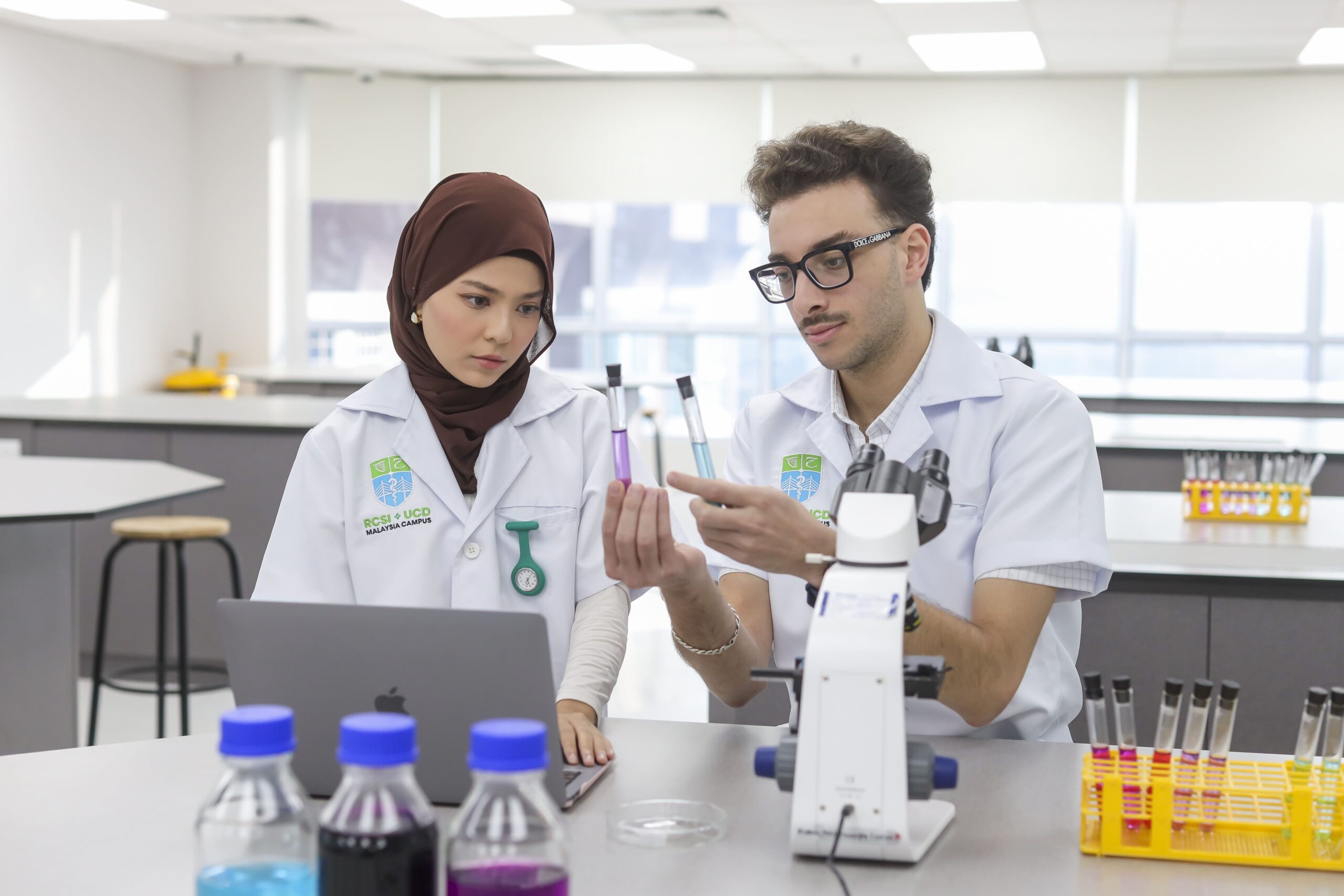
Physiologists must skillfully collect and interpret physiological data, design experiments with proper controls, and understand equipment limitations. Laboratory work requires ethical conduct, especially when involving humans or animals, and adherence to research guidelines. Proficiency ensures responsible experimentation and credibility.
Physiology offers specialisations including clinical, exercise, cell, animal, and plant physiology. Each focuses on specific organisms or systems—human health, physical rehabilitation, cellular biology, animal behaviour, or plant function. These roles support medicine, research, agriculture, or conservation, depending on the focus area.
Physiology offers strong job prospects, especially in medical research. In Malaysia, physiologists earn an average of RM110,367 annually, with salaries rising by experience. According to Salary Expert, entry-level roles start around RM79,117, while senior positions reach RM137,439. Salaries are projected to grow 11% over five years (as of writing).
Physiologists work in a wide range of settings, including research laboratories, hospitals, universities, and specialised medical or environmental facilities. Their responsibilities differ depending on their role and level of experience.
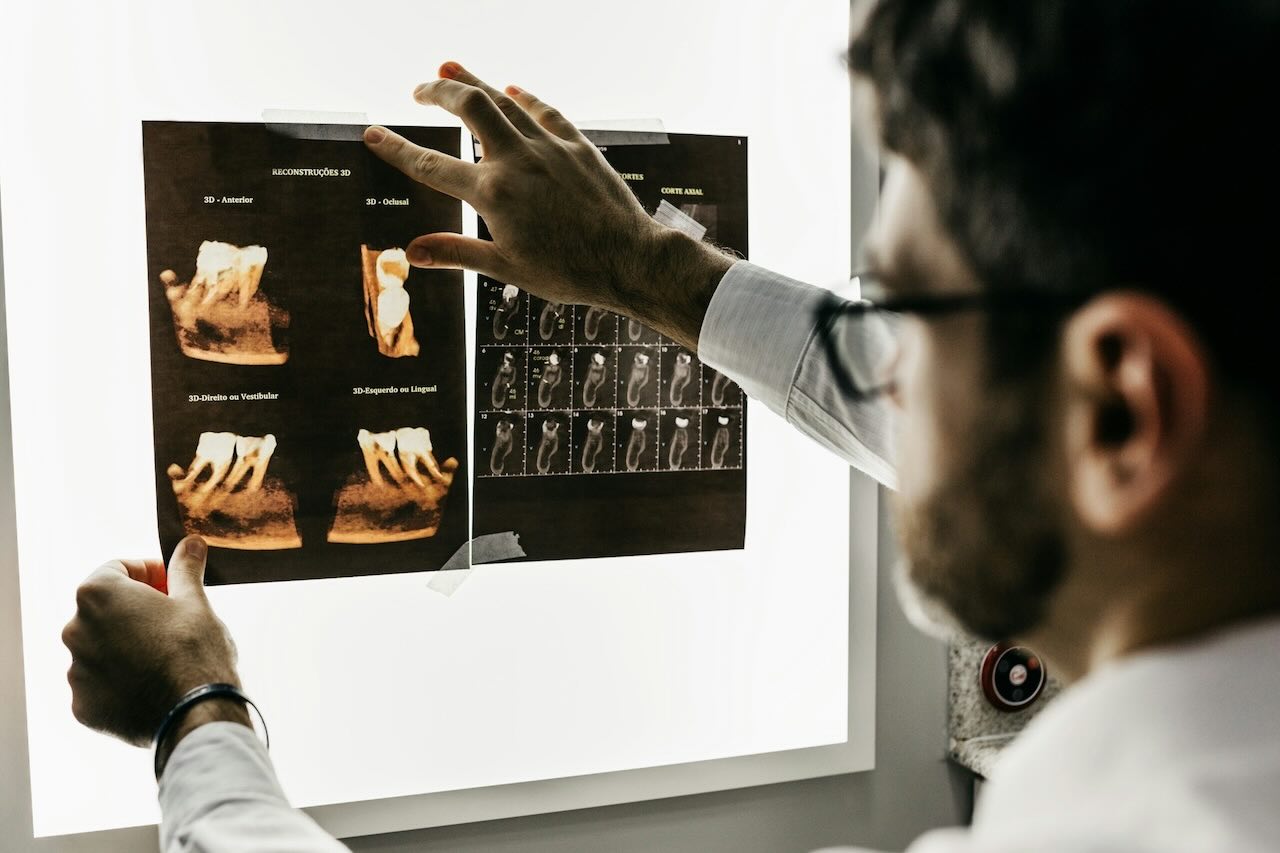
Many physiologists contribute to scientific research in the life and physical sciences, where they help develop new treatments, investigate biological processes, and support innovation in healthcare and biotechnology. Some also work in pharmaceutical research, assisting in the development and testing of new drugs and therapies.
Physiologists often work in universities, colleges, and medical schools as lecturers or researchers. They design studies, supervise students, publish scientific papers, and teach subjects related to human biology and physiology.
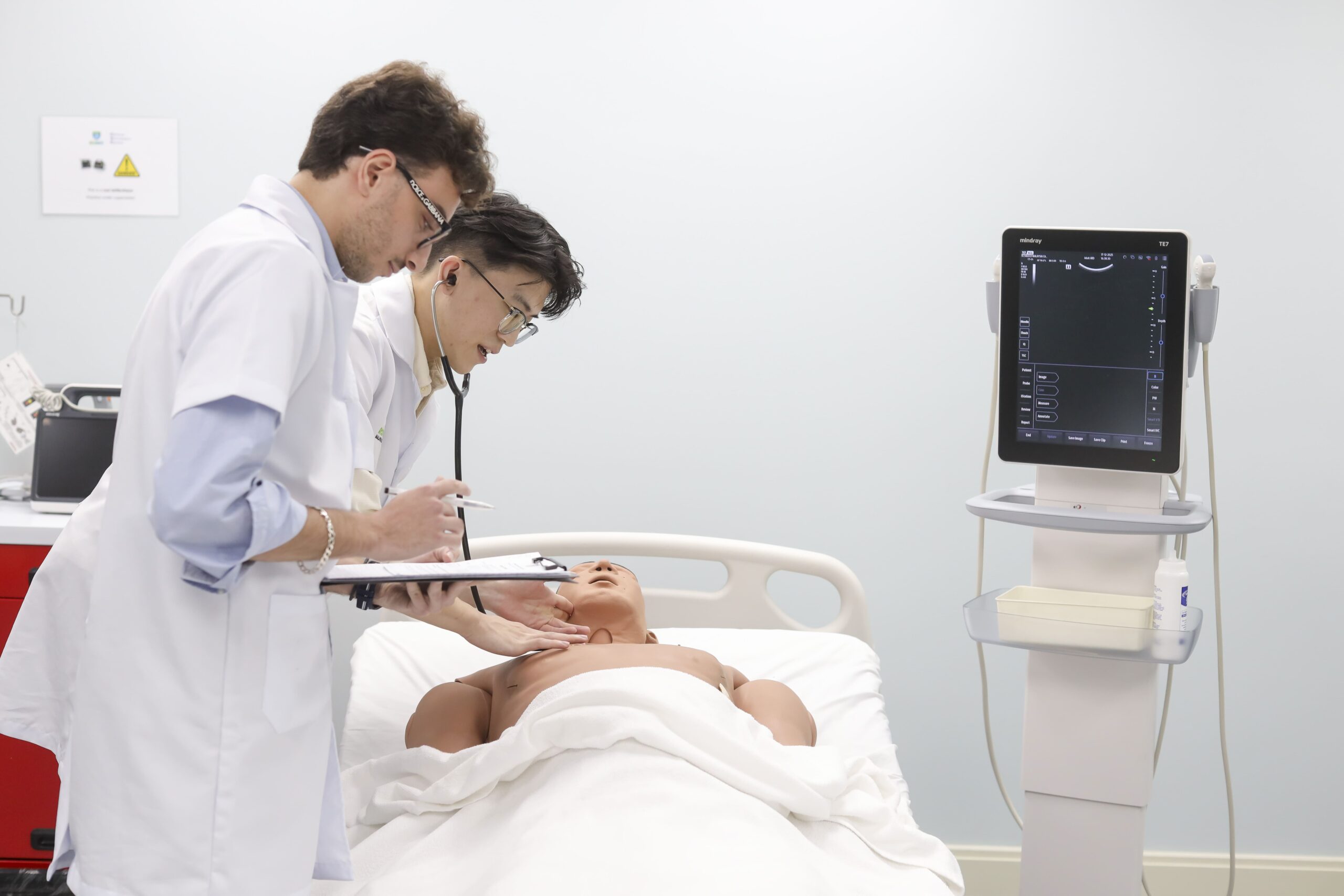
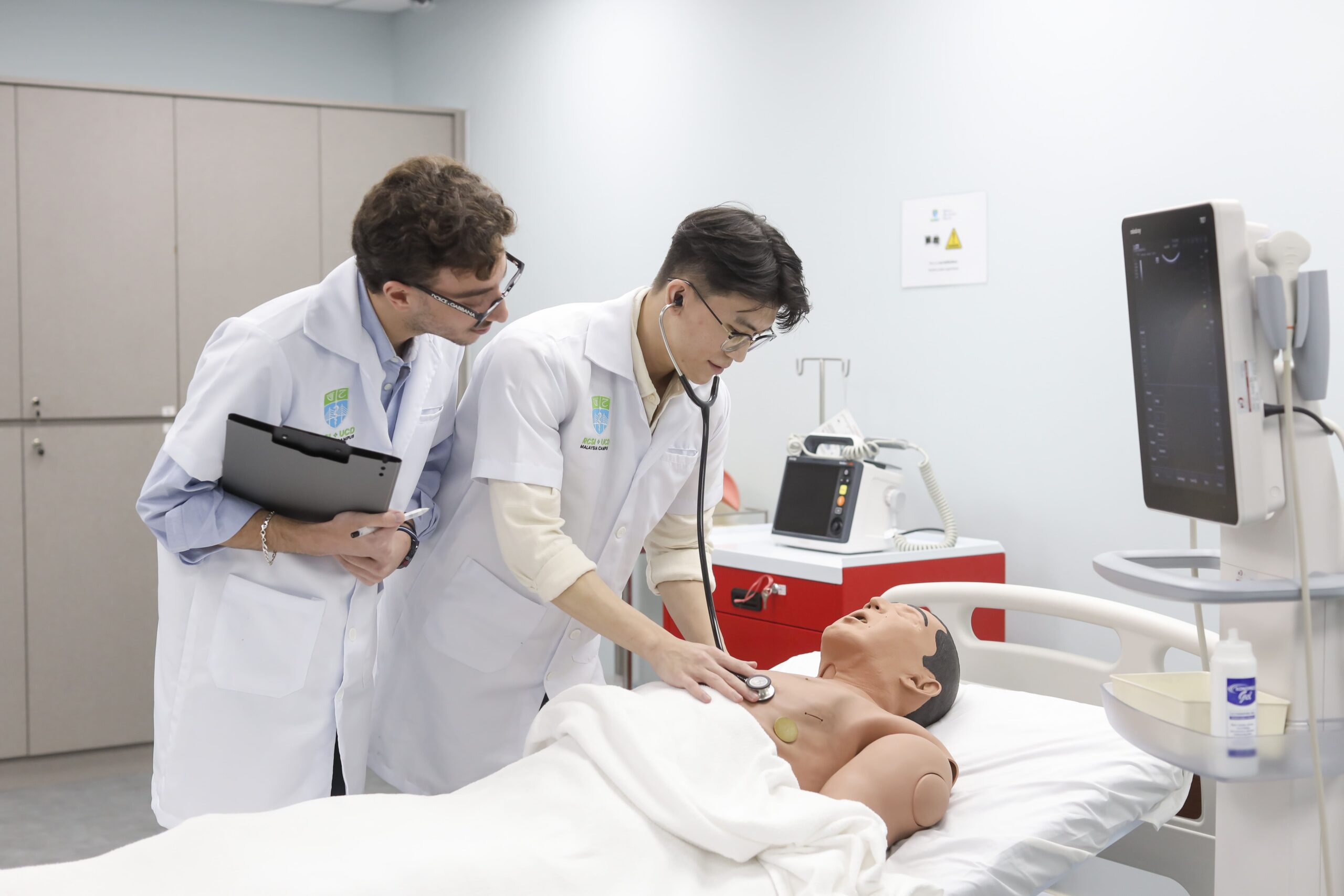
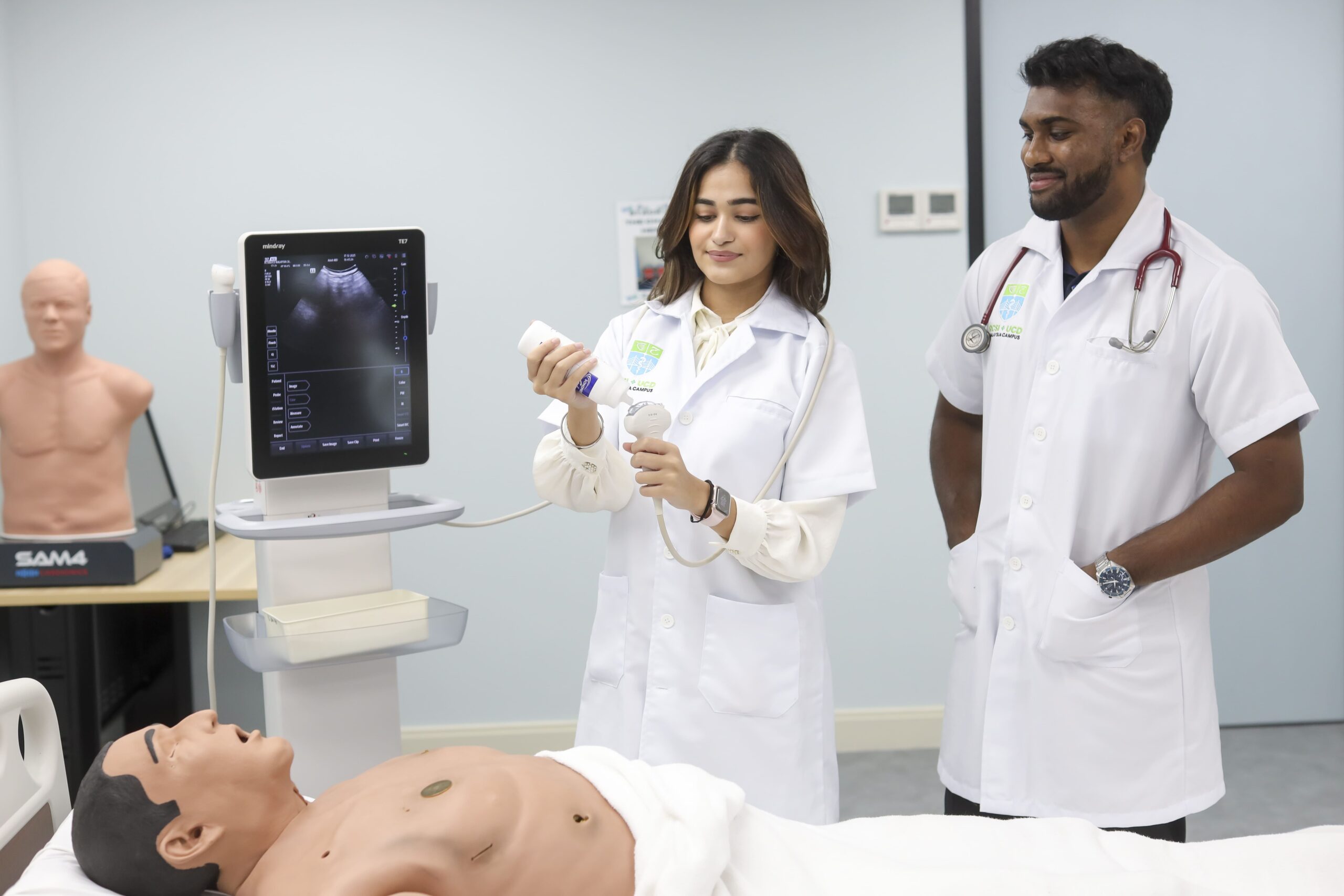
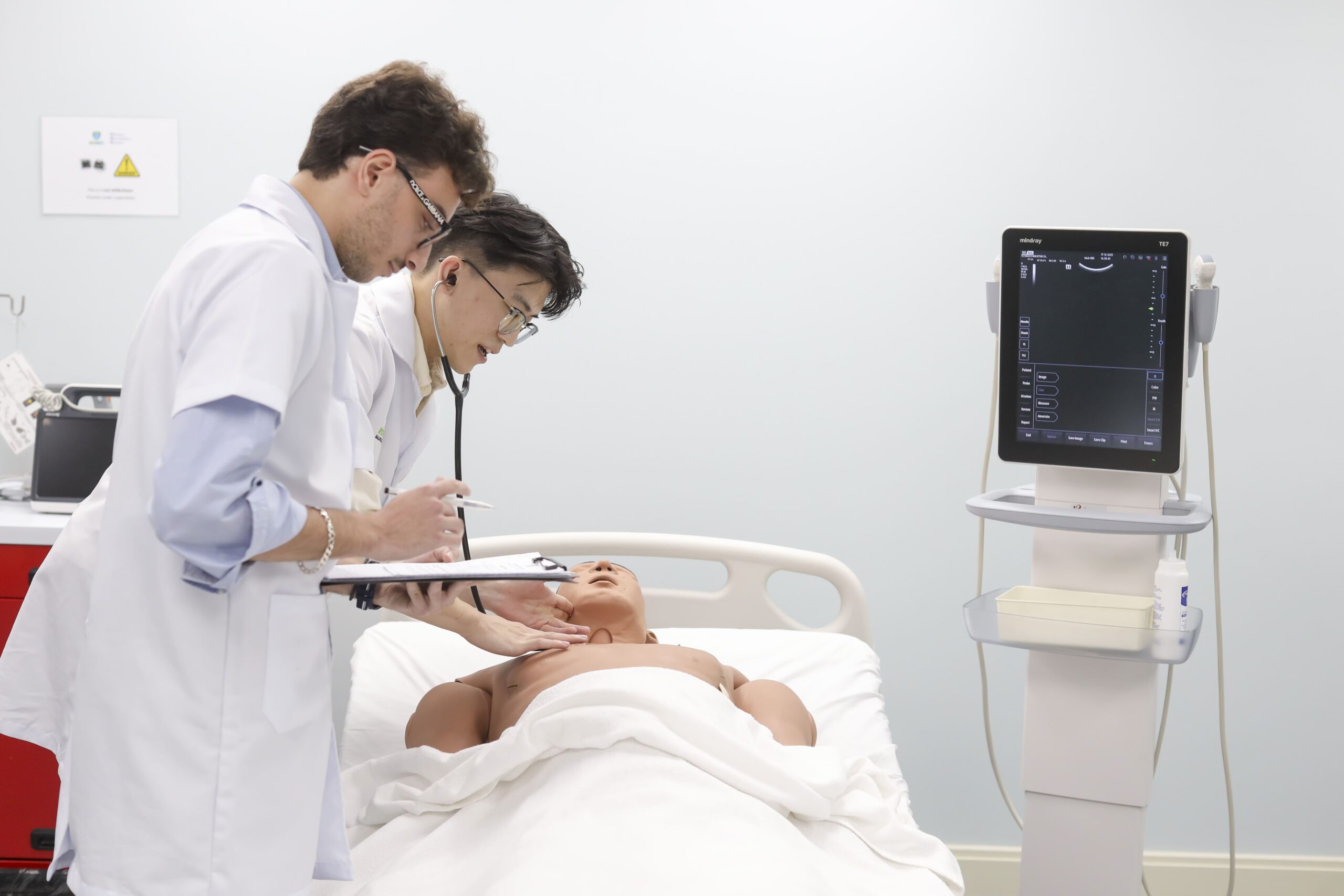
Some physiologists work in hospital or clinical settings, supporting medical teams in diagnostic testing, patient monitoring, and specialised physiological assessments. Others may work in environmental health, helping manage exposure-related injuries or participating in emergency responses involving hazardous substances.
A physiologist studies biological functions to advance medical knowledge, often in lab or academic settings. A physiotherapist, on the other hand, treats physical conditions through hands-on therapy. While physiologists focus on research and discovery, physiotherapists focus on rehabilitation and patient care.
If you’re passionate about understanding the human body and want to make a real impact through science and research, explore how to become a physiologist with RUMC.
RUMC (RCSI & UCD Malaysia Campus) is a medical school in Malaysia offering internationally recognised Irish medical education, with seamless transfer options to Dublin. Students benefit from small class sizes, expert faculty, and a strong clinical focus. RUMC graduates receive globally respected degrees, blending high academic standards with affordable, localised access to world-class training.
Learn more about our science and health programmes today.
To become a physiologist, you typically need a bachelor’s degree in physiology or a related field such as biology or biomedical science. Advanced roles may require a master’s or PhD, especially in research or academic settings.
In Malaysia, the average annual salary for a physiologist is approximately RM110,367. Entry-level professionals earn around RM79,117, with senior roles paying up to RM137,439.
It takes about 3 to 4 years to complete a bachelor’s degree in physiology. A master’s degree adds another 1 to 2 years, while a PhD can take 3 to 5 years, depending on the area of specialisation.
A physiologist studies how the body functions, often in research or academic roles, while a physiotherapist treats patients through hands-on rehabilitation. The focus of a physiologist is scientific discovery; a physiotherapist focuses on patient care.