
What is Orthopaedics: Definition, Types, Career Paths
What Is Orthopaedics?
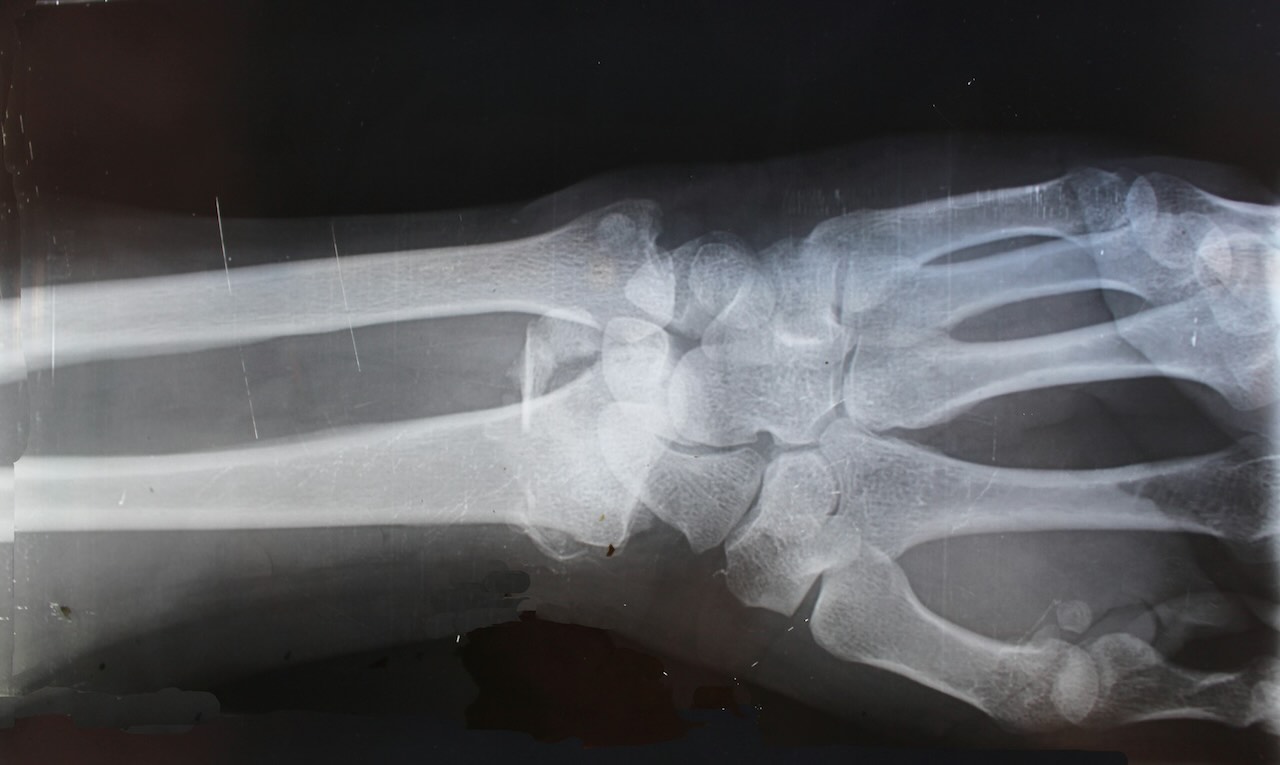
Orthopaedics is a medical speciality focused on diagnosing, treating, and managing conditions involving the musculoskeletal system. This includes bones, joints, ligaments, tendons, muscles, and nerves—essential components that allow for movement, stability, and support throughout the human body.
Orthopaedic care is essential for people across all age groups, from children with congenital conditions to adults facing sports injuries or age-related degeneration, which can lead to increased mobility issues and a higher risk of complications like hip fractures. With the increasing prevalence of joint disorders, fractures, and mobility impairments, orthopaedics plays a central role in improving quality of life through both surgical and non-surgical methods.
Why Orthopaedics Matters
Orthopaedic health is crucial for everyday activities—from walking and standing to lifting and working. When musculoskeletal issues arise, they can affect not just physical function but also mental health and overall independence. Orthopaedic problems are among the most common reasons for disability worldwide.
In Malaysia, orthopaedic care is gaining prominence due to the rise in road traffic accidents, workplace injuries, and chronic conditions like osteoporosis and osteoarthritis. Early intervention by orthopaedic specialists can prevent long-term complications, reduce pain, and restore physical function.
What Conditions Does Orthopaedics Treat?
Orthopaedics addresses a wide range of acute and chronic conditions. These include:
- Fractures and dislocations, from minor breaks to complex trauma
- Arthritis, including osteoarthritis and rheumatoid arthritis
- Back and spine problems, such as herniated discs or scoliosis
- Joint injuries, especially in the knees, shoulders, and hips
- Tendon and ligament injuries, like ACL tears or rotator cuff damage
- Congenital deformities, such as clubfoot or limb length discrepancies
- Bone infections and tumours, including osteomyelitis and benign or malignant growths
Patients are often referred to orthopaedics when conservative treatment fails or when surgical correction is required.
What Do Orthopaedic Doctors Do?
Orthopaedic doctors, also known as orthopaedic surgeons, are trained to assess and manage musculoskeletal disorders. They may choose to focus on general orthopaedics or specialise in a particular area.
Their responsibilities include:
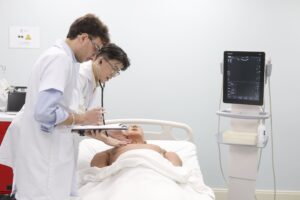
- Evaluating patient history and performing physical examinations
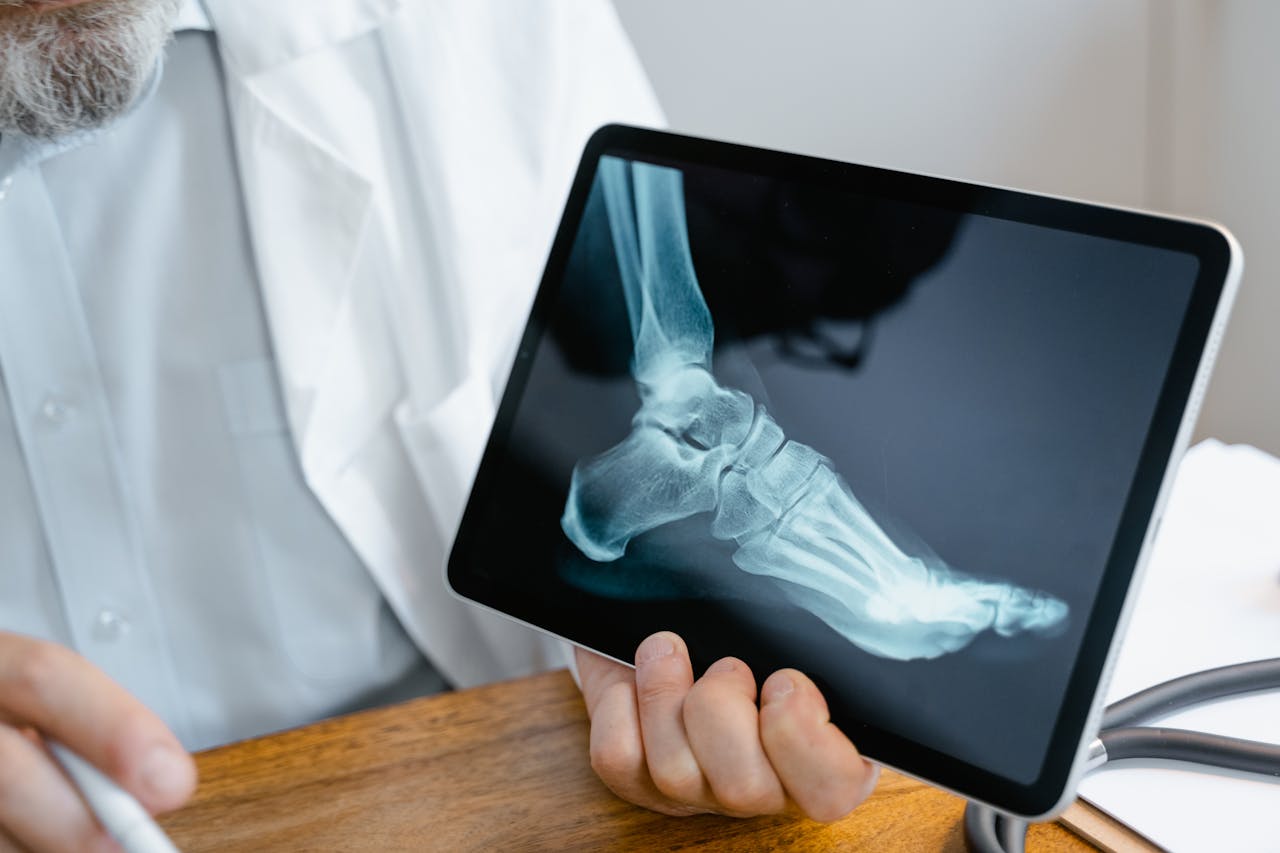
- Ordering and interpreting imaging studies such as X-rays, CT scans, and MRIs
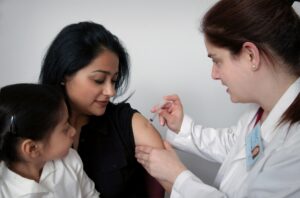
- Providing non-surgical treatments like physical therapy, bracing, and injections
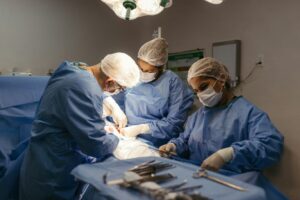
- Performing surgeries, including joint replacements, spinal operations, and fracture fixation
- Creating post-operative rehabilitation plans to ensure full recovery
Some orthopaedists also engage in sports medicine, working closely with athletes to prevent and treat injuries.
Subspecialties Within Orthopaedics
As a broad field, orthopaedics offers several subspecialties that allow practitioners to deepen their expertise:
- Sports Medicine: Treating athletic injuries and enhancing physical performance
- Joint Reconstruction: Performing knee and hip replacements
- Spine Surgery: Managing scoliosis, disc disorders, and spinal injuries
- Paediatric Orthopaedics: Focusing on musculoskeletal issues in children
- Orthopaedic Oncology: Diagnosing and treating bone and soft tissue tumours
- Hand and Upper Limb Surgery: Restoring function in the hand, wrist, elbow, and shoulder
- Trauma Surgery: Managing complex fractures and polytrauma cases
Non-Surgical Management in Orthopaedics
Not all orthopaedic care involves surgery. Many conditions are treated through conservative methods, such as:
- Physiotherapy, to regain strength and improve joint mobility
- Occupational therapy, to restore daily function
- Orthotics and braces, to support or realign joints and limbs
- Corticosteroid or hyaluronic acid injections to reduce inflammation and pain
- Medication management, including anti-inflammatory drugs and bone density treatments
Orthopaedists often work in multidisciplinary teams alongside physiotherapists, radiologists, and pain specialists to develop holistic treatment plans.
Advancements in Orthopaedic Technology
Modern orthopaedics is supported by cutting-edge technology, making diagnosis and treatment more precise and efficient. Key advancements include:
- Arthroscopy: A minimally invasive technique used for joint repair
- 3D printing: To create custom prosthetics and surgical guides
- Robotic-assisted surgery: Improving outcomes in joint replacements
- Regenerative medicine: Including platelet-rich plasma (PRP) and stem cell therapy
- Wearable devices: For tracking post-operative mobility and rehab progress
These innovations have significantly improved patient recovery times and reduced complications.
How Orthopaedics Supports Public Health
Orthopaedics is essential not only in treating injuries but also in promoting mobility and independence among ageing populations. In Malaysia, where non-communicable diseases and trauma-related injuries are on the rise, orthopaedic surgeons play a critical role in reducing long-term disability and hospital readmission rates.
Public health initiatives in bone health, fall prevention, and ergonomic awareness are often led by orthopaedic professionals in collaboration with government agencies and NGOs.
How to Get Started in Orthopaedics
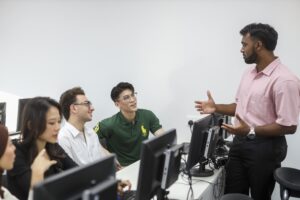
Students who aspire to enter this field typically begin with a foundation in science, which provides a solid background in biology, chemistry, and anatomy. This is followed by a medical degree in Malaysia, where students undergo both academic coursework and clinical rotations.
Exposure to orthopaedic surgery during medical school or housemanship often helps students confirm their interest and begin planning for postgraduate specialisation.
Final Thoughts
Orthopaedics is a vital and diverse field that helps people of all ages recover from injuries, manage chronic conditions, and return to active living. Whether it’s helping a child walk properly or restoring mobility after a hip fracture, orthopaedic care transforms lives every day.
If you’re interested in a hands-on medical career that combines surgical skill with problem-solving, orthopaedics offers a rewarding path. Begin your journey with a foundation in science and take the first step toward a medical degree—and ultimately, a career that helps others move forward, quite literally.
FAQs about orthopaedics
1. What is the focus of orthopaedics?
Orthopaedics focuses on diagnosing and treating conditions affecting the bones, joints, muscles, tendons, and ligaments.
2. Is surgery always required in orthopaedics?
No. Many conditions are managed with non-surgical treatments like physical therapy, medications, or braces.
3. Can orthopaedics treat children?
Yes. Paediatric orthopaedics is a subspecialty that addresses musculoskeletal conditions in children, including congenital deformities and growth disorders.
4. How do I become an orthopaedic specialist in Malaysia?
You must complete a medical degree, followed by an internship and specialist training in orthopaedic surgery.