Non-communicable diseases like heart disease, diabetes, and cancer now account for over 70% of deaths globally, according to the World Health Organization (WHO). Many of these conditions are preventable or manageable with earlier physiological understanding and intervention.
As populations age and chronic illnesses continue to rise, healthcare systems around the world are shifting toward prevention, rehabilitation, and personalised care. This has created a growing demand for professionals who understand how the human body works — and that’s where physiology comes in.
In this guide, we’ll explore what physiology is, why it matters, and how it forms the foundation for careers in medicine, research, and healthcare.
Physiology is the scientific study of how living organisms function. It focuses on the physical, chemical, and biological processes that occur in cells, tissues, organs, and systems to sustain life. In humans, it explains how the body works, such as how the heart pumps blood, how the lungs deliver oxygen, and how the brain communicates with the body.
Looking for a direct pathway into medical school? RUMC’s Pre-Medical Foundation Year offers a science-focused curriculum that prepares students for entry into its internationally recognised medical degree.
The key areas of physiology include several specialised branches that focus on different aspects of how living organisms function. Here are the main ones:
Cell physiology is the study of how individual cells function. It looks at how cells produce energy, communicate with each other, transport substances, and divide. This area forms the foundation for understanding all higher levels of biological function.
Systemic physiology focuses on how specific organ systems work within the body. These include systems like the cardiovascular, respiratory, digestive, and nervous systems. It explains how each system performs its role and how they interact to maintain overall health.
Human physiology examines how the human body functions as a whole. It covers processes such as circulation, breathing, digestion, and reproduction. This area is essential for understanding medicine and human health.
Animal physiology explores how various animal species function. It studies biological processes such as movement, metabolism, reproduction, and adaptation to environments. This helps scientists understand both similarities and differences among species.
Plant physiology focuses on how plants carry out life processes. It includes topics like photosynthesis, water transport, nutrient absorption, and hormone signalling. This area supports fields like agriculture and environmental science.
Exercise physiology studies how physical activity impacts the body. It examines changes in muscles, the heart, lungs, and metabolism during and after exercise. This field is widely used in sports science and physical rehabilitation.
Neurophysiology is the study of how the nervous system functions. It looks at how neurons communicate, how the brain processes information, and how reflexes and senses work. This area is key to understanding behaviour and mental health.
Pathophysiology investigates how normal physiological processes are altered by disease. It helps explain symptoms and disease progression, which is crucial for diagnosing and treating medical conditions.
Comparative physiology compares how different organisms perform similar functions. It studies variations in bodily processes across species, helping scientists understand evolution and biological diversity.
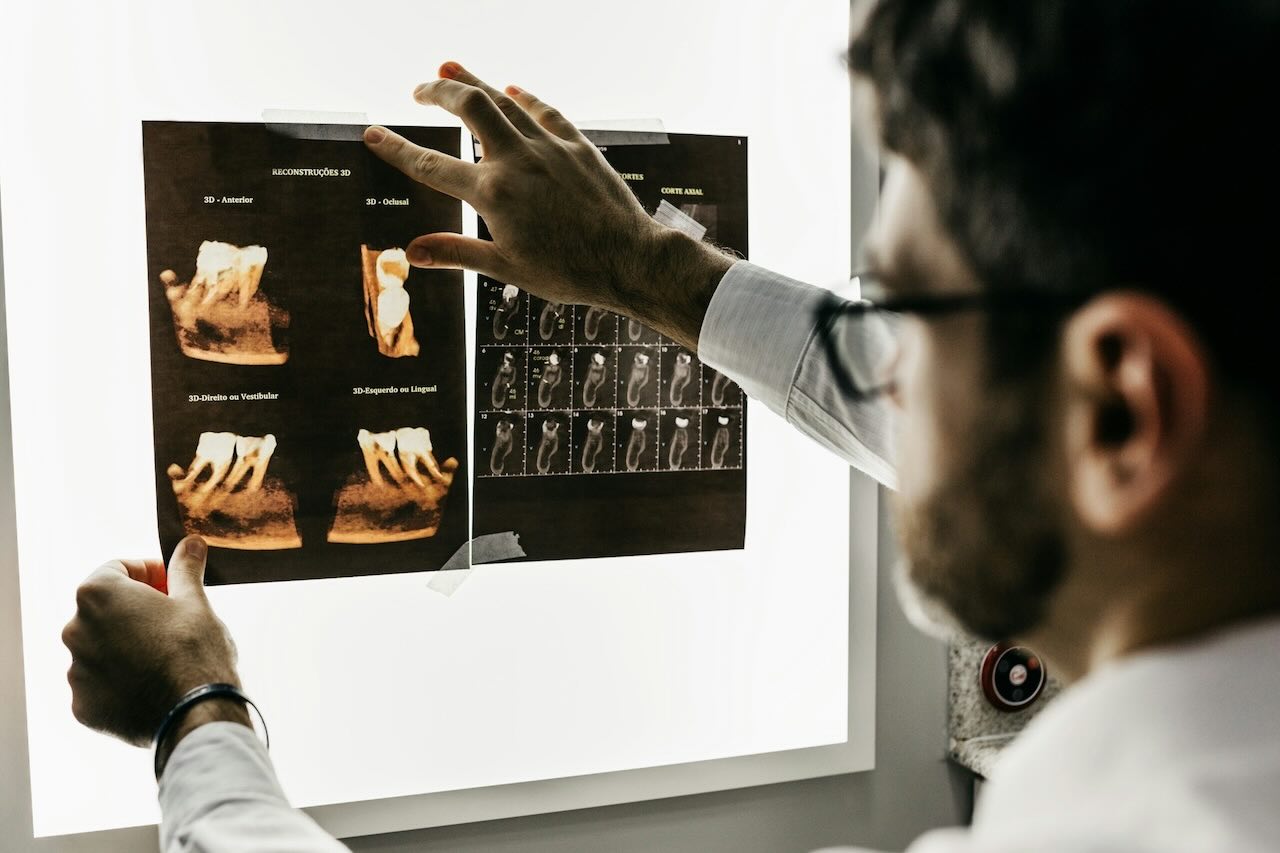
Physiology is studied through a combination of laboratory research, clinical observation, and theoretical learning. Students and researchers use tools like microscopes, imaging technologies (such as MRI or ECG), and computer simulations to examine how the body functions at the cellular, organ, and system levels.
Techniques may include measuring heart rate, electrical signals in muscles and nerves, hormone levels, and respiratory function. In academic settings, physiology is often taught through lectures, dissections, lab experiments, and case-based learning to build both practical skills and scientific understanding.
A degree in physiology opens the door to a wide range of careers in science, health, and research. Many graduates work in biomedical research, clinical trials, healthcare technology, or public health. Others go on to become clinical or exercise physiologists, medical laboratory scientists, pharmaceutical reps, or science educators.
A physiology degree also provides an excellent foundation for graduate studies in medicine, dentistry, nursing, or allied health professions. Whether you plan to enter the workforce or continue your education, this degree offers strong scientific and analytical training that is valued across many industries.
A physiologist is a scientist who studies how living organisms function. Their main role is to investigate the biological processes that allow the body to operate normally. This includes studying how organs, tissues, cells, and systems interact to support life, maintain health, and respond to changes in the environment.
Depending on their area of specialisation, a physiologist may:
Physiology is important because it provides a deep understanding of how living organisms function, which is essential for advancing medicine, healthcare, science, and human performance. It serves as the foundation for diagnosing diseases, developing treatments, and improving quality of life.
Here are the key reasons why physiology is important:
If you’re inspired by how physiology forms the foundation of modern medicine, now is the perfect time to start your path toward becoming a future doctor with RUMC.
RCSI & UCD Malaysia Campus (RUMC) is a medical school in Malaysia offering a globally recognised Irish medical degree through its twinning programme with two of Ireland’s top-ranking universities. Students begin in Dublin and train in Penang with early hands-on experience, full MMC and IMC accreditation, vibrant student life, and a pathway to international medical practice.
Explore your path to medical school and view available financial support.
No, physiology and anatomy are not the same. Anatomy is the study of the structure of the body, including the shape, size, and location of organs and tissues. Physiology focuses on how those parts function and work together to support life. For example, anatomy describes the heart’s structure, while physiology explains how it pumps blood.
To study physiology, you need a solid background in biology and chemistry because these subjects explain living systems and chemical processes. Physics is important for understanding physical principles in the body, and mathematics or statistics helps with analysing scientific data. More advanced studies may also include anatomy, biochemistry, and molecular biology.
Yes, you can study physiology without becoming a medical doctor. Many students choose physiology as a pathway into careers in research, health sciences, fitness, biotechnology, education, or the pharmaceutical industry. While some pursue medical school afterwards, many physiologists work in non-clinical roles that still contribute to health and science.