

What Is Pathology? Understanding the Field Behind Disease Detection

What is Pathology?
Pathology is the branch of medicine that focuses on studying diseases, how they develop, progress, and affect the human body. It forms the foundation of accurate diagnosis and treatment in every area of healthcare.
Whether it’s detecting cancer, identifying an infection, or confirming autoimmune conditions, pathology plays a vital role. Despite being largely behind the scenes, pathologists influence nearly every patient’s care.
They work closely with doctors and surgeons to interpret laboratory results, tissue biopsies, and cellular abnormalities that point to a correct diagnosis. In short, no treatment can begin without knowing what’s wrong, and that’s where pathology comes in.
With Malaysia facing rising rates of chronic and complex diseases, the need for skilled pathologists is growing more urgent than ever.
The Core Divisions of Pathology
Pathology encompasses two core branches that serve distinct but interrelated purposes in medical care:
Anatomical Pathology
This field involves examining the structural and morphological changes in organs and tissues due to disease. It typically includes:
- Histopathology: Microscopic examination of tissues to diagnose conditions like cancer.
- Cytopathology: Analysis of individual cells, such as Pap smears for cervical cancer.
- Autopsy Pathology: Post-mortem examinations to determine the cause of death and understand disease progression.
Anatomical pathologists are especially important in surgical oncology, as they determine whether a tumour is benign or malignant and assess if all cancerous tissue has been removed.
Clinical Pathology
This branch centres on the biochemical, haematological, and microbiological evaluation of blood, urine, and other bodily fluids. It includes:
- Haematology: Disorders of the blood, like anaemia or leukaemia.
- Clinical Microbiology: Diagnosing infectious diseases by identifying bacteria, viruses, fungi, or parasites.
- Chemical Pathology: Examining blood chemistry for signs of conditions like diabetes, liver failure, or thyroid dysfunction.
- Immunology: Investigating immune responses and allergies.
Clinical pathologists run the tests that physicians rely on every day to manage patients’ chronic conditions and monitor treatment effectiveness.
Why Pathology Is Invaluable to Modern Medicine
The importance of pathology cannot be overstated. Every major diagnosis depends on it, making pathologists the “doctors’ doctor.” Here are some reasons it’s so critical:
- Confirming Diagnoses: Treatment begins only after a definitive diagnosis. Pathology reports form the backbone of this confirmation process.
- Cancer Management: From biopsies to tumour grading and margin analysis, pathologists provide data that guides chemotherapy and surgery.
- Monitoring Progress: Regular blood work and imaging-guided biopsies help doctors track disease progression or treatment response.
- Public Health Surveillance: Clinical pathology labs play a vital role in detecting and containing outbreaks of diseases like COVID-19, dengue, and tuberculosis.
- Legal and Forensic Use: Autopsy results are essential in both legal investigations and medical research.
In essence, pathology connects the dots between symptoms and causes, ensuring no guesswork in treatment decisions.
Where Pathologists Work in Malaysia
In Malaysia, pathologists are employed in various settings:
- Public hospitals: Many government hospitals have dedicated pathology departments.
- Private medical centres: These often offer specialised pathology labs for faster diagnostics.
- Diagnostic laboratories: Such as Gribbles, Pantai Premier Pathology, and BP Healthcare.
- Universities and research institutions: Conducting academic research and training the next generation of medical professionals.
- Forensic departments: Providing legal medical examinations for suspicious or unexplained deaths.
Although pathologists may not engage directly with patients, their insights shape almost every patient journey.
The Path to Becoming a Pathologist
To become a pathologist in Malaysia, students typically begin with a strong science background. Enrolling in a foundation in science programme equips them with the fundamental knowledge needed for medical studies. This is followed by pursuing a medical degree in Malaysia.
After completing medical school and the required housemanship, students can specialise in pathology through structured postgraduate training, which prepares them for registration with Malaysia’s National Specialist Register to practise as certified pathologists.
Subspecialties in Pathology
Pathology is not a one-size-fits-all career. You can choose to further specialise in areas such as:
- Forensic Pathology: Focuses on autopsies and legal investigations.
- Neuropathology: Studies diseases affecting the brain and nervous system.
- Dermatopathology: Combines dermatology and pathology to diagnose skin diseases.
- Molecular Pathology: Analyses genes and proteins for personalised treatment plans.
- Haematopathology: Deals with blood and bone marrow disorders.
These subspecialties require additional training and may involve cutting-edge tools like AI or gene sequencing.
The Future of Pathology in Malaysia
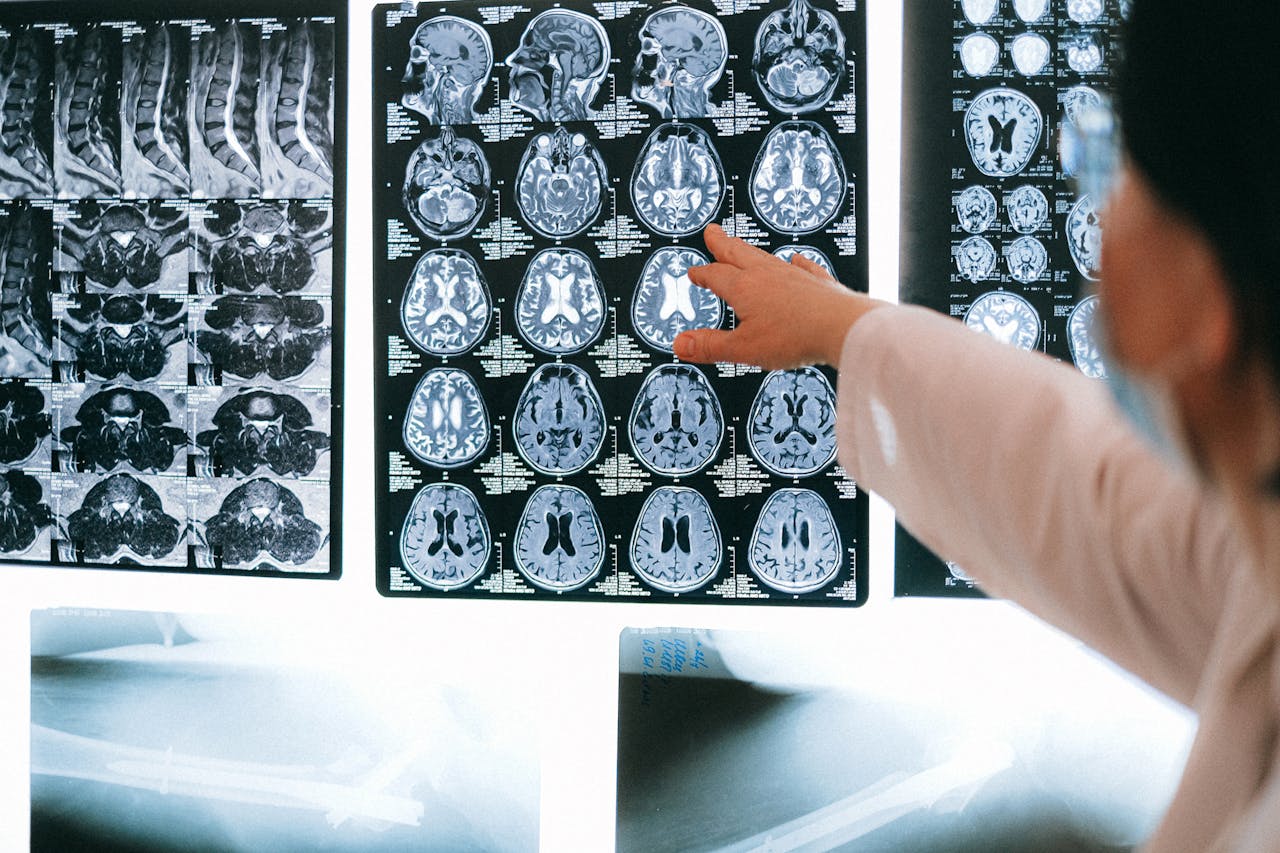
Malaysia’s diagnostic infrastructure is growing rapidly. Increased healthcare awareness, preventive screenings, and precision medicine are driving the demand for pathologists. Technologies such as digital pathology, machine learning, and telepathology are transforming how pathologists work.
Institutions like RUMC, a top medical university in Malaysia, are helping shape this future by offering strong foundational and clinical programmes that prepare students to succeed in both local and global settings.
Why Choose a Career in Pathology?
Pathology offers several advantages for medical students considering their speciality:
- High-impact decision-making without patient-facing pressure.
- Intellectually stimulating work based on analysis, not routine procedures.
- Diverse career options in hospitals, labs, academia, and forensic sectors.
- Better work-life balance compared to emergency medicine or surgery.
- Opportunities to innovate through AI, molecular biology, and data science.
Whether you pursue it for its diagnostic power or its scientific depth, pathology gives you the chance to contribute meaningfully to patient care in a unique way.
Final Thoughts
So, what is pathology? It is the unseen force behind every accurate diagnosis and effective treatment plan. Without it, modern medicine would be lost in uncertainty. From the lab to the operating room, pathology touches every point in a patient’s healthcare journey.
If you’re passionate about science, fascinated by how diseases work, and enjoy working behind the scenes, pathology might be your ideal speciality. Begin your journey with a solid foundation in science in Malaysia, pursue a globally recognised MBBS degree, and unlock a world of possibilities through pathology.
FAQs About Pathology
1. Can I become a pathologist without direct patient care?
Yes. Pathologists usually work in labs and rarely interact with patients directly.
2. How long does it take to become a pathologist in Malaysia?
It typically takes about 10 to 12 years, including your foundation, MBBS, housemanship, and Master’s in Pathology.
3. Are there opportunities for research in pathology?
Absolutely. Pathology is highly research-driven, especially in molecular biology and genetics.
4. Is there a demand for pathologists in Malaysia?
Yes. The need is growing across hospitals, research labs, and diagnostic centres.