
How to Become an Ophthalmologist: Your Career Guide in Eye Medicine
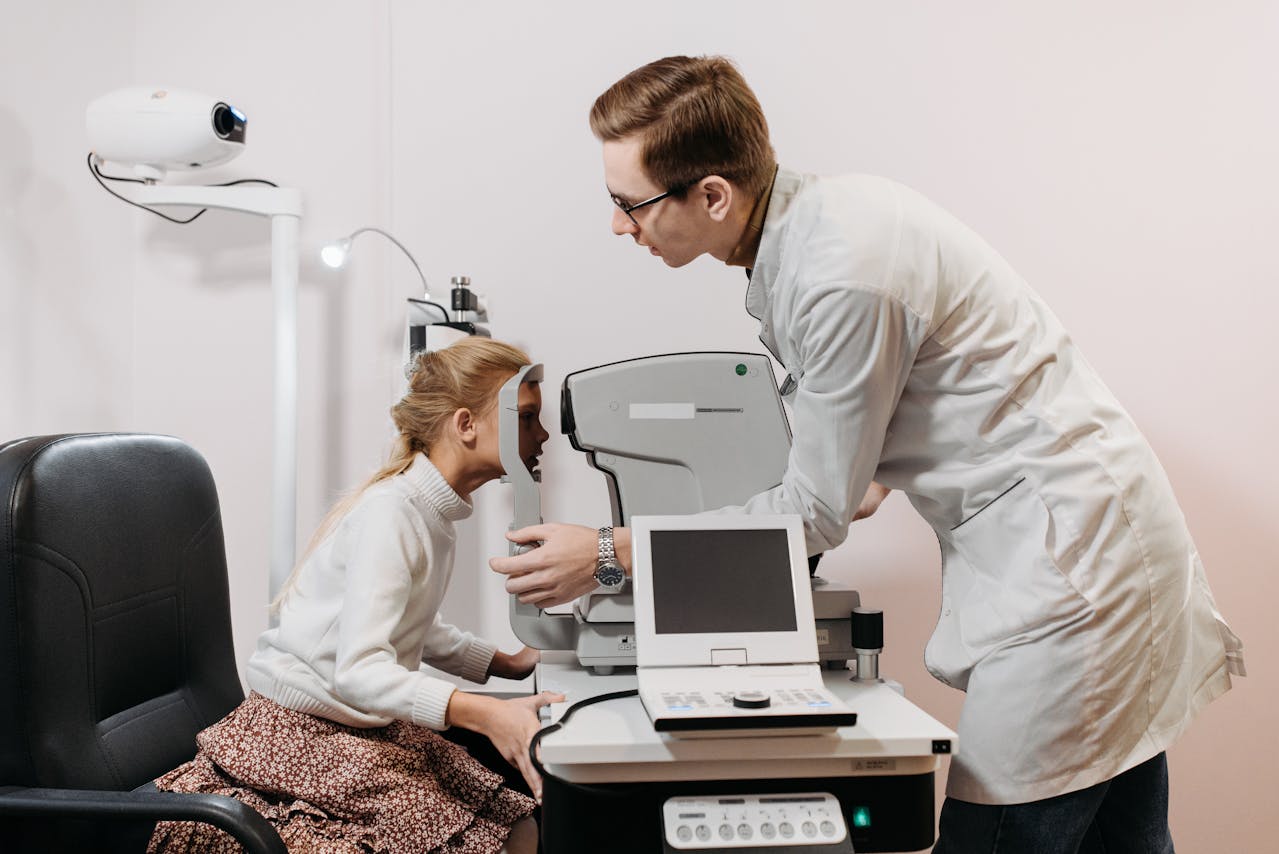
Ophthalmology is a specialised medical field that focuses on the diagnosis, treatment, and surgical management of eye conditions. If you’re passionate about healthcare, precision, and preserving vision, becoming an ophthalmologist can be a deeply rewarding career.
This article outlines the academic and clinical steps needed to become an ophthalmologist, the skills you’ll need, and how to set yourself up for a meaningful and successful career in eye care.
Step 1: Start with a Foundation in Science
Your journey begins with a strong academic base in science. Most students enrol in a foundation in science programme after completing their SPM or equivalent. This pre-university course introduces essential subjects such as:
- Biology
- Chemistry
- Physics
- Mathematics
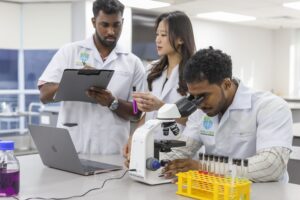
Completing a foundation in medical science prepares you for admission into a medical degree and gives you the necessary grounding to understand human anatomy, physiology, and basic clinical skills.
Step 2: Complete a Recognised Medical Degree
After your foundation year, the next step is obtaining a medical degree in Malaysia. This degree typically takes five years and is divided into pre-clinical and clinical phases.
Pre-clinical phase (Years 1–2):
You’ll study core subjects like anatomy, biochemistry, pharmacology, and pathology—alongside systems-based modules that include the eye and visual system.
Clinical phase (Years 3–5):
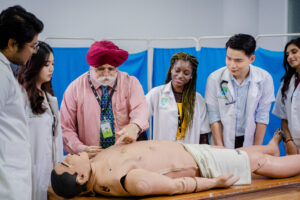
You’ll gain hands-on experience through clinical rotations in hospitals. These rotations often include a posting in ophthalmology, where you’ll assist in eye clinics, observe surgeries, and begin learning ophthalmic examination techniques.
Medical schools like RUMC provide internationally recognised education with early clinical exposure—giving students an edge in competitive specialities like ophthalmology.
Step 3: Complete Housemanship (Internship)
After graduating with your MBBS or equivalent, you’ll enter a 2-year housemanship programme, which includes rotations through major departments such as:
- General Medicine
- Surgery
- Obstetrics and Gynaecology
- Paediatrics
- Emergency Medicine
- Orthopaedics
Although ophthalmology isn’t a core rotation in housemanship, you may encounter ophthalmic emergencies in your surgical or emergency medicine postings. This exposure is valuable in confirming your interest in the field and preparing for the next phase.
Step 4: Apply for Ophthalmology Specialisation
Once you’ve completed housemanship and obtained full registration with the Malaysian Medical Council (MMC), you can apply for specialisation in ophthalmology. There are two main routes:
1. Master of Ophthalmology Programme
Offered by local universities, this 4-year programme includes coursework, clinical training, and surgical skills development. Entry is competitive and requires strong academic performance and references.
2. Parallel Pathway
This route involves training under the supervision of recognised consultants, with assessments benchmarked against international standards (e.g., the Royal College of Ophthalmologists UK exams). It allows doctors to gain certification without enrolling in a formal Master’s programme.
Both pathways involve rigorous training in:
- Clinical ophthalmology
- Microsurgery and laser procedures
- Subspecialty modules (e.g., retina, cornea, paediatric ophthalmology)
- Research and audit projects
Step 5: Obtain Specialist Registration and Practice
Upon successful completion of your training, you’ll be eligible to register as a specialist ophthalmologist in Malaysia. You can now work in public hospitals, private clinics, or academic institutions.
Some ophthalmologists go on to pursue fellowships in sub-specialities such as:
- Glaucoma
- Retina and vitreous
- Corneal surgery
- Oculoplastics
- Neuro-ophthalmology
These fellowships offer deeper expertise and open doors to leadership roles in surgery, education, and research.
Key Skills to Develop Along the Way
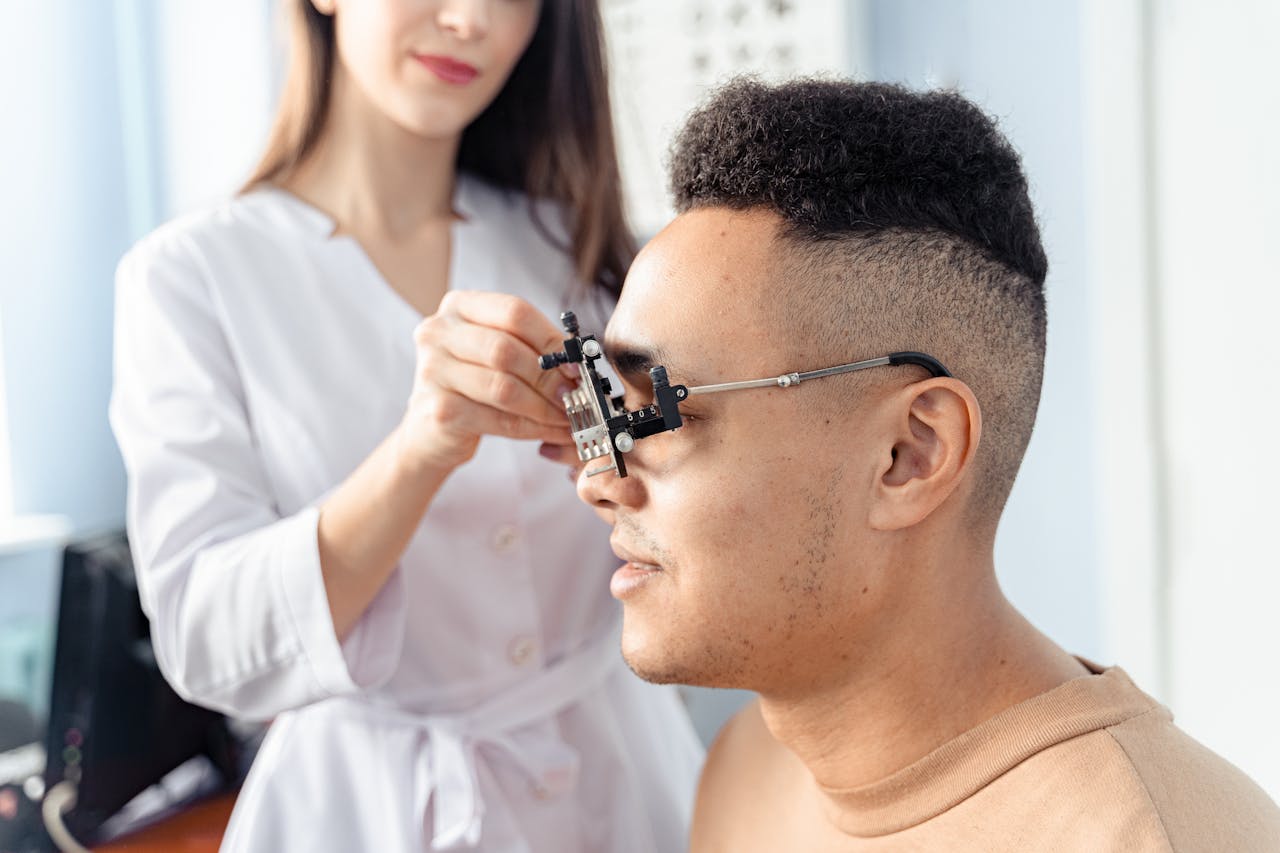
In addition to academic qualifications, successful ophthalmologists demonstrate a unique mix of technical and personal skills:
- Manual dexterity, especially for microsurgery
- Attention to detail, critical for interpreting subtle clinical signs
- Communication for patient education and multidisciplinary collaboration
- Empathy, helping patients navigate vision loss or eye disease
- Problem-solving to tailor treatments based on complex clinical presentations
These skills are developed progressively through medical school, internships, and specialist training.
Final Thoughts
Becoming an ophthalmologist is a long but fulfilling journey. You’ll have the opportunity to restore sight, manage life-altering conditions, and contribute to one of the most impactful fields in healthcare. From basic eye check-ups to intricate surgeries, ophthalmologists change lives by preserving one of our most precious senses—vision.
If you’re inspired to pursue this path, begin by enrolling in a foundation in science and aim for a medical degree that provides strong clinical and academic training. With perseverance, you can become part of a profession that quite literally helps others see the world more clearly.
FAQs about becoming an ophthalmologist
1. How long does it take to become an ophthalmologist in Malaysia?
It typically takes 11–12 years, including a foundation year, 5 years of medical school, 2 years of housemanship, and 4 years of specialist training.
2. Do I need a specific degree to enter ophthalmology?
Yes, you must complete a recognised medical degree in Malaysia, followed by postgraduate training in ophthalmology.
3. Is ophthalmology a competitive speciality?
Yes, due to its specialised skill set and high demand, ophthalmology is one of the more competitive medical specialities in Malaysia.
4. Can I sub-specialise after becoming an ophthalmologist?
Absolutely. Many ophthalmologists pursue fellowships in areas like retina, glaucoma, or paediatric ophthalmology to enhance their expertise and career options.