Ophthalmology is a rewarding medical speciality that blends technical precision with compassionate care. As an ophthalmologist, you diagnose and treat a wide range of eye conditions—from refractive errors to complex retinal diseases—and help patients regain or preserve their vision.
For aspiring healthcare professionals, careers in ophthalmology offer stability, prestige, and the opportunity to make a life-changing impact on patients across all ages.
In Malaysia, the demand for ophthalmologists is steadily increasing, driven by an ageing population and the rising prevalence of diabetes-related eye diseases. The country’s expanding healthcare infrastructure, coupled with a growing awareness of the importance of eye care, has also led to a notable rise in ophthalmology-related job opportunities.
Ophthalmology offers several career tracks, depending on one’s interests and qualifications. Here are some of the most common roles within the field:
The most recognised role, a clinical ophthalmologist, works in hospitals, clinics, or private practices, diagnosing and treating patients. They are often the first point of contact for patients with vision complaints.
These specialists focus on surgical treatment for eye disorders. Common procedures include cataract surgery, corneal transplants, and laser eye surgeries. This path requires advanced training beyond general ophthalmology certification.
Focused on children’s eye conditions like strabismus (crossed eyes) or amblyopia (lazy eye), paediatric ophthalmologists require additional training to address the unique needs of younger patients.
Some ophthalmologists pursue careers in academia, contributing to medical education or engaging in clinical research. Their work helps advance treatments, diagnostics, and surgical techniques.
Working with NGOs or government health bodies, these specialists focus on preventing blindness and promoting eye health in rural and underserved populations.
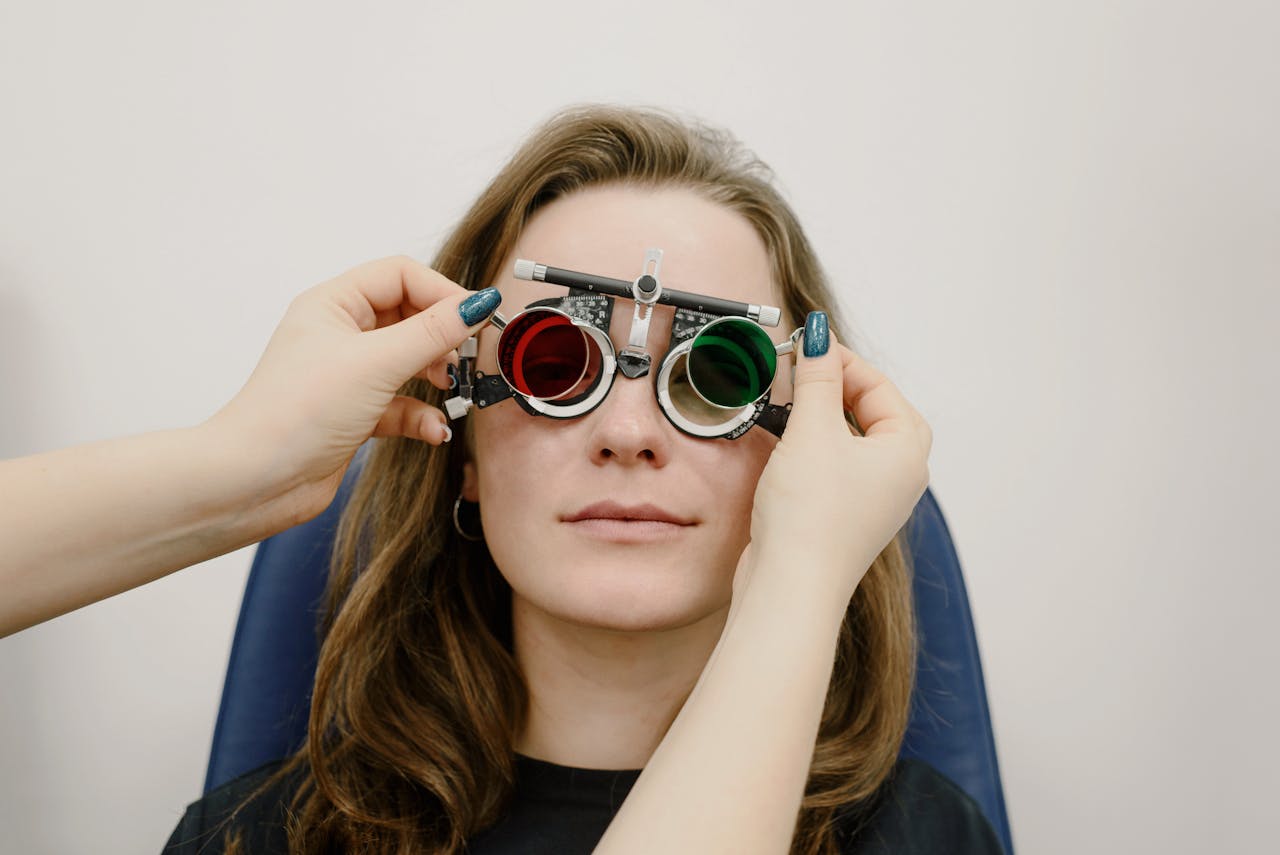
Graduates pursuing careers in ophthalmology can find work in a variety of settings:
Ophthalmologists enjoy strong career progression. In Malaysia, experienced practitioners may advance to positions such as:
Some professionals also pursue international fellowships or sub-speciality certifications to deepen their expertise in retina, cornea, or glaucoma management.
A career in ophthalmology offers more than job security—it offers purpose. Helping someone regain their sight or prevent permanent vision loss is among the most fulfilling aspects of modern medicine. For Malaysian students with a passion for biology, technology, and direct patient care, ophthalmology is an exciting and impactful field.
To begin your journey, consider a foundation in science followed by a medical degree. From there, you can pursue a rewarding and specialised career that changes lives—one eye at a time.
At RUMC, we offer an Irish medical degree that is internationally recognised, allowing graduates to practice globally. Explore our programmes & scholarships to learn more.
You need a recognised medical degree in Malaysia, followed by specialist training in ophthalmology.
Yes. With an ageing population and increasing eye disease rates, the demand for ophthalmologists in Malaysia continues to grow.
Yes, you can apply for a Master’s or parallel pathway training after your housemanship to become a certified ophthalmologist.
Optometrists provide vision correction and basic eye care, while ophthalmologists are medical doctors who diagnose and treat eye diseases and perform surgery.