
How to Become a Paediatrician: A Guide to Building a Career in Child Healthcare
Introduction to the Paediatric Career Path
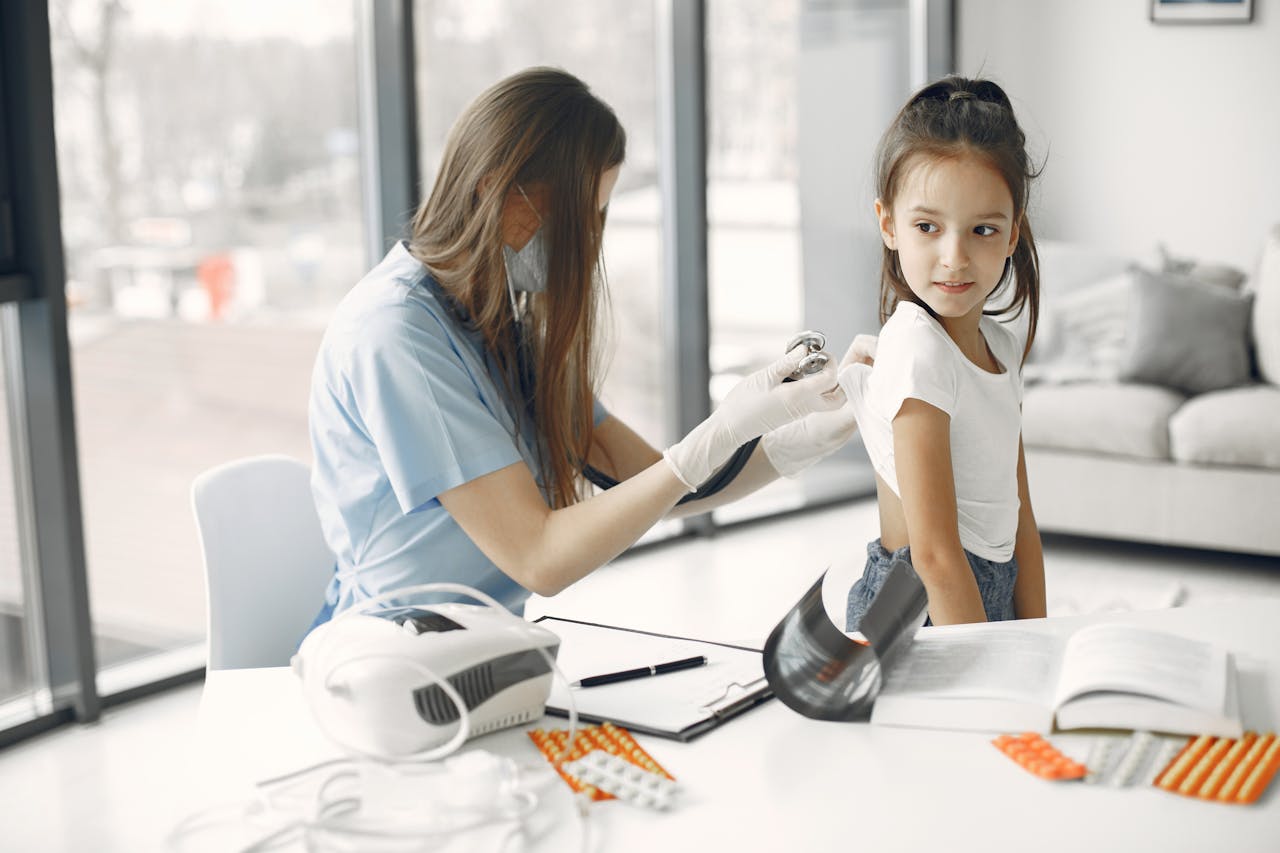
Paediatricians are medical doctors who specialise in treating children from infancy through adolescence. Their work involves diagnosing illnesses, providing preventive care, and supporting children’s physical, emotional, and developmental health. Becoming a paediatrician in Malaysia is a rewarding path that requires commitment, empathy, and structured training from foundation to postgraduate level.
If you are passionate about working with children and making a long-term impact on families and communities, paediatrics could be your ideal career path.
Step 1: Begin with a Foundation in Science
The first step is enrolling in a foundation in science programme. This one-year course builds your understanding of biology, chemistry, and physics while developing academic and critical thinking skills essential for medicine.
A strong foundation helps meet the entry requirements for a medical degree and prepares students for the challenging yet fulfilling path ahead.
Step 2: Pursue a Medical Degree
Once the foundation year is complete, the next step is obtaining an MBBS in Malaysia, which typically spans five years. The degree is structured into:
Pre-clinical years (Years 1–2):
Focused on basic sciences such as anatomy, physiology, biochemistry, and pathology.
Clinical years (Years 3–5):
Students rotate through hospital departments, including paediatrics. During this rotation, you’ll gain hands-on experience treating common childhood illnesses, monitoring development, and interacting with families—helping you decide whether paediatrics is the right speciality for you.
Medical schools like RUMC provide early clinical exposure and internationally recognised medical education that prepares students for careers in specialised fields like paediatrics.
Step 3: Complete Housemanship (Internship)
After earning your medical degree, you must complete two years of housemanship at a Ministry of Health hospital. This internship consists of rotations across several departments, such as:
- Internal Medicine
- General Surgery
- Obstetrics & Gynaecology
- Paediatrics
- Emergency Medicine
- Orthopaedics
The paediatrics posting is especially important—it gives you the chance to manage child patients under supervision, deepen your interest in the field, and begin building the practical skills required for specialisation.
Step 4: Apply for Paediatrics Specialisation
Once your housemanship is complete and you’re registered as a fully licensed medical officer, you can apply for postgraduate training in paediatrics. In Malaysia, this training is usually completed via:
1. Master of Paediatrics Programme
Offered by local universities, this structured programme lasts four years. It involves clinical postings, academic coursework, exams, and research.
2. Parallel Pathway
Involves supervised training at MOH hospitals while preparing for external membership exams (e.g., MRCPCH from the UK). It offers more flexibility and is ideal for those already working in paediatric departments.
During this stage, you’ll learn to:
- Manage neonatal and paediatric emergencies
- Treat chronic and acute conditions in children
- Communicate with families
- Work alongside allied health professionals such as speech therapists, dietitians, and psychologists
Step 5: Consider Subspecialisation
After becoming a certified paediatrician, many professionals choose to subspecialise. Common subspecialties include:
- Neonatology
- Paediatric Neurology
- Paediatric Oncology
- Paediatric Cardiology
- Developmental Paediatrics
- Paediatric Endocrinology
These fellowships often require 1–2 additional years of study and clinical practice. Subspecialists typically work in tertiary hospitals, academic centres, or private paediatric clinics.
Skills Required to Become a Paediatrician
Beyond academic excellence, aspiring paediatricians need to demonstrate:
- Empathy – to comfort both children and parents
- Communication skills – to explain medical issues clearly
- Patience – children don’t always express their symptoms the way adults do
- Attention to detail – early signs of serious illness can be subtle
- Adaptability – to handle diverse patients from various age groups
These skills are developed and refined throughout your training and practice.
Career Settings for Paediatricians
After qualification, paediatricians may work in:
- Government hospitals and paediatric wards
- Private children’s clinics
- Community health centres
- Academic institutions and medical universities in Malaysia
- NGOs or rural health initiatives
- International humanitarian organisations focused on child health
With career progression, some paediatricians become consultants, lecturers, researchers, or public health advisors.
Final Thoughts
Becoming a paediatrician requires time, resilience, and passion—but the outcome is a career with profound impact. From ensuring newborns receive the best start in life to helping teenagers navigate chronic conditions, paediatricians shape the health outcomes of entire generations.
Start your journey with a foundation in science, pursue a medical degree in Malaysia, and commit to the lifelong mission of caring for children.
FAQs About Becoming a Paediatrician
1. How long does it take to become a paediatrician in Malaysia?
It typically takes 11–13 years, including foundation, medical school, housemanship, and paediatric speciality training.
2. Do I need an MBBS to specialise in paediatrics?
Yes. A recognised MBBS in Malaysia is required before you can apply for postgraduate paediatric programmes.
3. Can I become a paediatrician through local training?
Yes. You can complete all stages of training in Malaysia via university-based Master’s programmes or the parallel pathway.
4. What’s the first step if I want to become a paediatrician?
Begin with a foundation in science, then apply to a recognised medical degree that includes paediatric rotations and strong clinical training.