
Careers in Paediatrics: Opportunities to Shape the Health of Future Generations

Why Choose a Career in Paediatrics?
Paediatrics is one of the most meaningful and diverse medical fields. It offers the chance to support children through every stage of development—physically, emotionally, and socially. From treating newborns in intensive care units to guiding teens through behavioural challenges, paediatricians help shape the health trajectories of future generations.
In Malaysia, careers in paediatrics are expanding alongside rising health awareness and growing demand for child-focused care in both public and private sectors. For aspiring doctors who are compassionate, curious, and committed to lifelong learning, paediatrics offers a truly rewarding path. This is especially relevant as more needs to be done for the welfare and well-being of children, highlighting the critical role of dedicated healthcare professionals in shaping a healthier future for the younger generation.
What Do Paediatricians Do?
Paediatricians provide comprehensive healthcare to infants, children, and adolescents. Their responsibilities include:
- Performing physical exams and monitoring developmental milestones
- Diagnosing and treating illnesses, infections, and chronic conditions
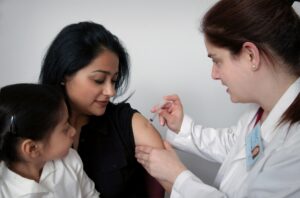
- Administering vaccinations and preventive care
- Addressing emotional, social, and behavioural concerns
- Educating families about nutrition, safety, and hygiene
- Coordinating care with specialists for complex or rare conditions
These doctors are trained to detect subtle signs that may indicate developmental delays or emotional distress, providing early intervention and referrals when needed.
Where Do Paediatricians Work?
Paediatricians in Malaysia have the flexibility to work in various healthcare environments, including:
- Public hospitals under the Ministry of Health
- Private hospitals and paediatric clinics
- Community health centres in rural and underserved areas
- International humanitarian missions focused on maternal and child health
- Academic institutions and medical schools in Malaysia, where they train future doctors
- NGOs focusing on immunisation, malnutrition, and early education
Some choose to open private practices or collaborate with schools and therapy centres to offer developmental care and support services.
Career Path and Progression
Becoming a paediatrician begins with a solid academic foundation, such as a foundation in science, followed by a medical degree. After graduation, students complete a 2-year housemanship before applying for paediatric specialty training.
As their careers progress, paediatricians may advance into:
- Subspecialisation in fields like neonatology or paediatric cardiology
- Consultant roles in hospitals
- Medical education and teaching
- Public health or policy-making in child health
- Research and academic publishing
- Leadership positions in hospital administration or health organisations
With time and expertise, many paediatricians become national leaders in child health advocacy.
Subspecialties in Paediatrics
Paediatrics offers various subspecialties for those who wish to deepen their focus. Popular options include:
- Neonatology: Care for premature and critically ill newborns
- Paediatric Oncology: Cancer diagnosis and treatment in children
- Paediatric Cardiology: Managing congenital and acquired heart conditions
- Developmental Paediatrics: Support for autism, ADHD, and learning delays
- Paediatric Neurology: Epilepsy, cerebral palsy, and genetic conditions
- Paediatric Endocrinology: Growth, thyroid, and hormonal disorders
- Paediatric Infectious Diseases: Disease prevention and outbreak response
Subspecialists often work in tertiary hospitals and academic centres, where they handle complex referrals.
Is Paediatrics Right for You?
A successful paediatrician is:
- Patient and empathetic
- Able to build trust with children and families
- Skilled in observation and communication
- Flexible and adaptable across a range of conditions
- Committed to advocacy and education
If you’re drawn to both science and service, paediatrics is an excellent match—especially for those who enjoy varied cases, close patient relationships, and a long-term impact on health outcomes.
Outlook for Paediatric Careers in Malaysia
Malaysia’s emphasis on maternal and child health means demand for qualified paediatricians remains strong. Rural areas continue to face shortages, while urban hospitals seek subspecialists to support growing populations.
As part of public health initiatives, paediatricians are also instrumental in delivering immunisation campaigns, improving early childhood nutrition, and supporting the mental well-being of school-aged children.
The country’s leading medical universities in Malaysia are investing more in paediatric research, medical technology, and international collaborations, creating long-term opportunities for career growth and innovation.
Final Thoughts
A career in paediatrics is more than a profession—it’s a calling. Whether you’re guiding a child through their first vaccine or supporting a family through chronic illness, your work as a paediatrician carries lifelong impact.
To begin your journey, enrol in a foundation in science programme and pursue a medical degree in Malaysia that equips you with the skills, values, and knowledge needed to care for the next generation.
FAQs About Careers in Paediatrics
1. What type of doctor is a paediatrician?
A paediatrician is a medical doctor who specialises in the care of infants, children, and adolescents.
2. Where do paediatricians typically work?
Paediatricians work in public hospitals, private clinics, community centres, schools, and medical universities.
3. Can paediatricians specialise further?
Yes. Subspecialties include neonatology, cardiology, oncology, and developmental medicine, among others.
4. How do I start my career in paediatrics?
Begin with a foundation in science, complete an MBBS, and pursue postgraduate paediatric training.