Paediatrics is the branch of medicine focused on the health, development, and medical care of infants, children, and adolescents. Unlike general adult medicine, paediatrics deals with age-specific physiological changes, developmental milestones, and diseases unique to young patients.
A paediatrician is trained to monitor physical, emotional, and behavioural growth from birth to adolescence. Their expertise ranges from diagnosing childhood illnesses to advising on nutrition, mental wellbeing, and immunisation schedules. In Malaysia and around the world, paediatrics is one of the most essential specialities in public health.
Recently, a paediatric cancer care support initiative received global recognition, underscoring the importance of dedicated healthcare efforts for children.
While other specialities focus on specific organs or diseases, paediatrics focuses on age. Children are not simply small adults—they require different medical approaches due to their constantly changing anatomy, communication skills, and immunity levels.
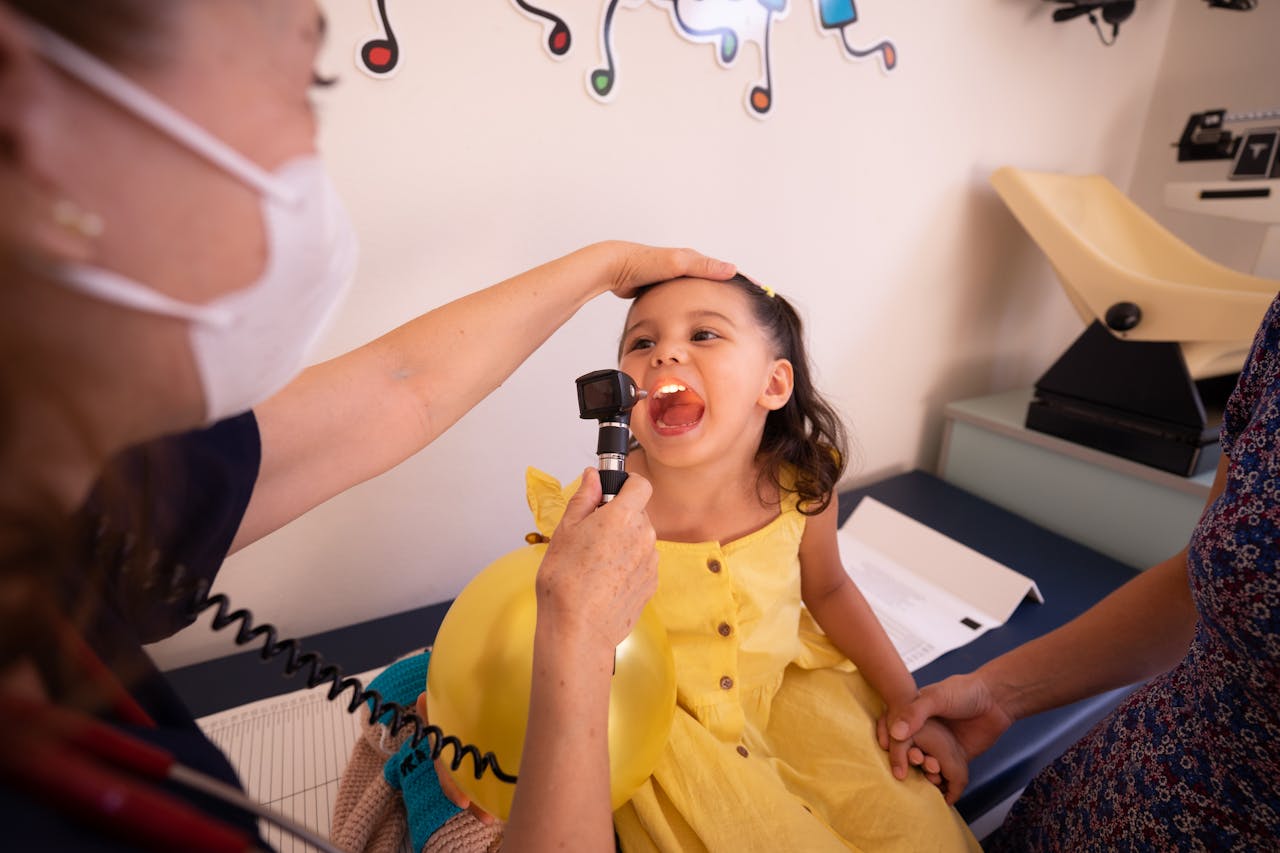
For example, medication dosages, diagnostic techniques, and communication methods must all be adapted when treating children. Paediatricians are also responsible for supporting families as they navigate health challenges and developmental concerns.
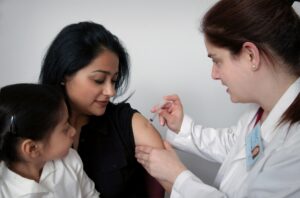
Moreover, paediatrics prioritises preventive care, ensuring children are protected from disease before it starts. This includes childhood immunisation, regular check-ups, early screening, and nutrition counselling—areas that contribute to long-term societal health.
Paediatricians are trained to manage both common and complex childhood conditions, including:
The scope of practice also includes injury prevention, accident care, and parental counselling.
Many paediatricians pursue further training in subspecialties, allowing them to treat more complex or age-specific conditions. Examples include:
These subspecialists often work in referral hospitals and collaborate with general paediatricians for continuity of care.
In Malaysia, paediatricians are crucial to achieving long-term public health goals. With rising awareness about child wellness, more parents are seeking specialised care for nutrition, neurodevelopment, and emotional well-being. Paediatricians also play a frontline role in implementing nationwide immunisation programmes, reducing infant mortality, and managing congenital conditions.
As Malaysia advances its healthcare system, the demand for specialists who can treat and monitor the country’s youngest population continues to grow—particularly in underserved rural areas and private urban hospitals.
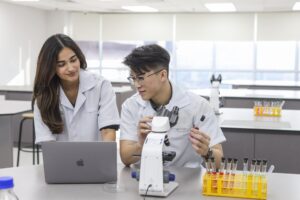
Those interested in paediatrics begin with a strong academic foundation, typically starting with a foundation in science. This pre-university programme prepares students in core subjects such as biology, chemistry, and physics—critical for understanding anatomy and physiology.
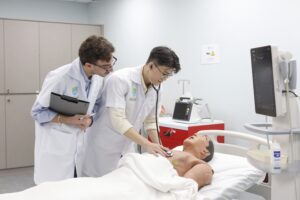
Next comes a medical degree in Malaysia, such as the MBBS, which usually takes five years. During clinical rotations, students are exposed to paediatric wards, allowing them to experience child healthcare first-hand and decide if this speciality aligns with their interests.
After medical school, students proceed through housemanship, followed by postgraduate training to become certified paediatricians.
Paediatricians are more than just medical professionals—they are educators, advocates, and support systems for families. They teach parents about developmental milestones, help children build healthy habits, and identify red flags that could affect long-term outcomes.
In school settings, paediatricians collaborate with educators and therapists to support children with special needs. In public health, they lead vaccination drives and monitor community disease outbreaks.
They also help reduce the social stigma surrounding mental health, working with psychologists and counsellors to ensure children receive holistic care.
Paediatrics is a deeply rewarding and essential field in modern medicine. It requires not only clinical knowledge, but empathy, patience, and dedication to the long-term well-being of every child. Whether it’s a newborn struggling to breathe or a teenager managing anxiety, paediatricians make a lifelong difference.
If you aspire to a medical career that blends science, advocacy, and compassion, begin your journey with a foundation in science and pursue a medical degree that prepares you to impact lives from the very start.
Paediatrics is the branch of medicine that focuses on the health and development of infants, children, and adolescents.
A paediatrician provides preventive care, treats childhood illnesses, monitors growth, and advises families on health-related matters.
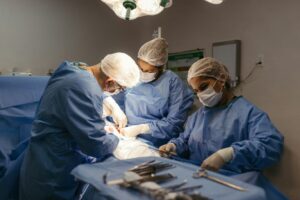
It is a medical speciality, but some paediatricians may work closely with paediatric surgeons in complex cases.
Start with a foundation in science and complete a medical degree. Paediatric training begins after housemanship through a Master’s programme or equivalent pathway.